By Ana Espino | Published on June 22, 2026 | 4 min read
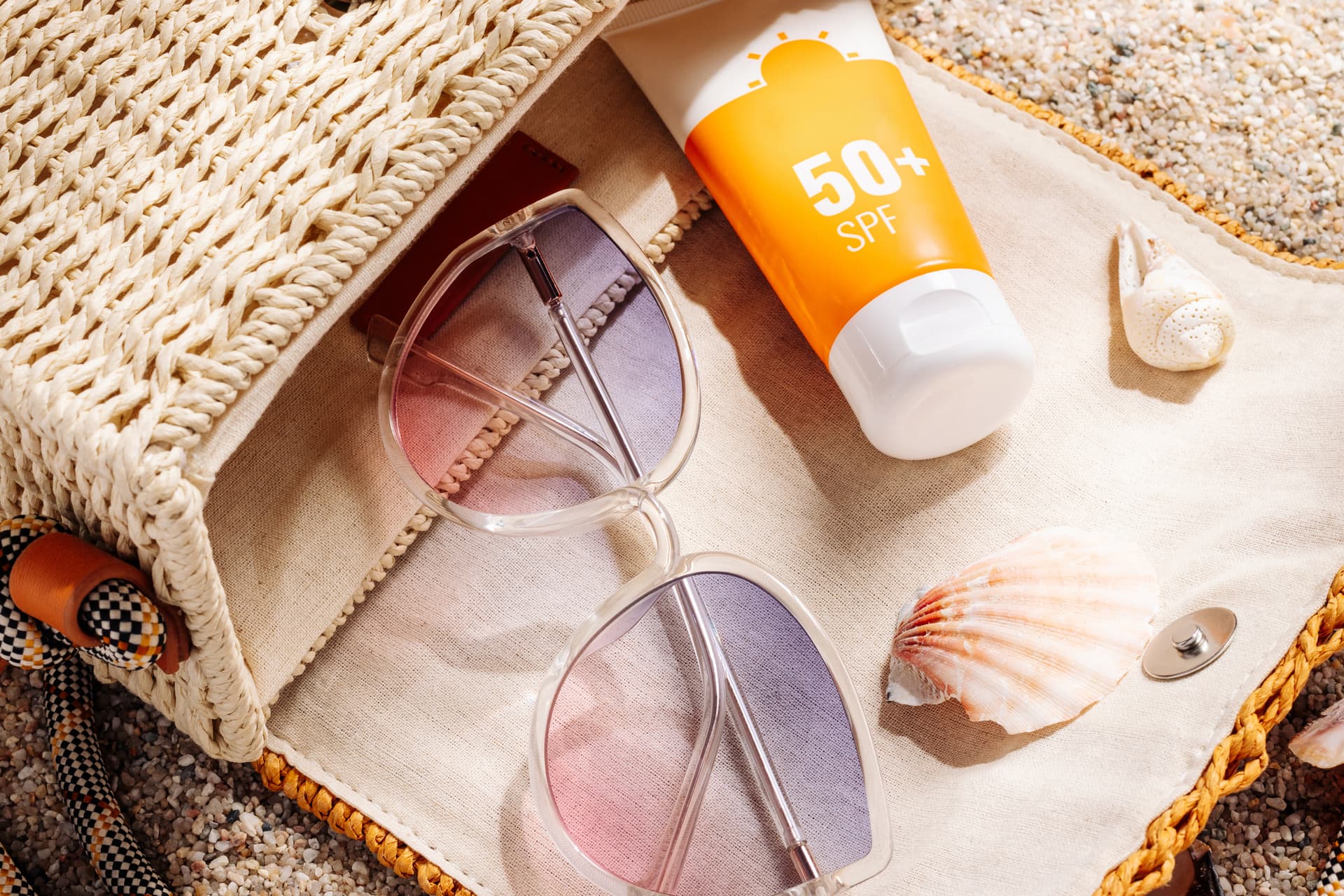
Skin cancer is now the most common cancer worldwide. Each
year, millions of new cases of non-melanoma skin cancers and melanoma are
diagnosed, largely as a result of cumulative sun exposure. For decades,
prevention strategies have relied primarily on the use of sunscreen, protective
clothing, and limiting exposure to ultraviolet (UV) radiation. Yet despite
these measures, the incidence of skin cancer continues to rise in many
countries.
This situation raises several important questions. Do
sunscreens provide sufficient protection against all forms of solar radiation?
Are other biological mechanisms involved in the development of skin cancer? And
could new preventive strategies further reduce risk among highly exposed
individuals? To address these questions, Spanish dermatologists reviewed the
latest evidence on photoprotection and emerging approaches to skin cancer
prevention.
Read next : What
If Nanotechnology Redefined the Future of Sunscreens?
Protection That Goes Far Beyond UV Filters
The authors first emphasize that the effectiveness of
sunscreens in reducing the risk of actinic keratoses and cutaneous
squamous cell carcinoma is now well established. The Australian Nambour
Trial, one of the landmark studies in this field, demonstrated that daily
sunscreen use can reduce the risk of squamous cell carcinoma by approximately 40%.
Benefits have also been reported for melanoma prevention, although the evidence
remains less robust.
However, the review highlights that photoprotection is no
longer limited to UV filters alone. Several compounds capable of repairing
sun-induced cellular damage are now attracting growing scientific interest.
Among these, DNA repair enzymes, such as photolyase, have shown
the ability to reduce certain UV-induced genetic lesions and improve actinic
keratoses in high-risk patients.
Researchers also examined the role of antioxidants.
Extracts from Polypodium leucotomos, a tropical fern used orally or
topically, appear to be among the most promising compounds. Several studies
have reported reductions in precancerous skin lesions and decreases in
sun-induced oxidative stress. Nicotinamide, a form of vitamin B3, has
also demonstrated encouraging potential in reducing the development of new skin
lesions in certain high-risk individuals.
Another notable finding concerns visible light,
particularly high-energy blue light, which may contribute to skin
damage. Experimental studies suggest that it promotes oxidative stress and may
interfere with DNA repair mechanisms following UV exposure. These observations
support the development of photoprotective products that provide broader-spectrum
coverage beyond UVA and UVB radiation alone.
Read next : The
future of sunscreens lies in the film
Toward More Personalized Photoprotection?
This review confirms that skin cancer prevention still
relies on traditional measures: limiting sun exposure, seeking shade, wearing
protective clothing, and regularly applying broad-spectrum sunscreens. However,
it also suggests that emerging strategies could further enhance protection,
particularly through the use of antioxidants, DNA repair enzymes, and selected
oral supplements.
The authors note, however, that several uncertainties
remain. Evidence regarding melanoma prevention remains heterogeneous, and the
true effectiveness of some complementary strategies still requires confirmation
through large-scale studies. Likewise, the precise role of visible light in
skin carcinogenesis continues to be debated.
Despite these limitations, the review illustrates the rapid
evolution of the concept of photoprotection. In the future, skin cancer
prevention may rely on a combination of sun filters, biologically active
compounds, and personalized approaches tailored to each individual’s risk
profile. This perspective is particularly important as increasing sun
exposure and population aging continue to drive the global rise in skin cancer
incidence.
About the author – Ana Espino
PhD in Immunology, specialized in Virology
As a scientific writer, Ana is passionate about bridging the gap between research and real-world impact. With expertise in immunology, virology, oncology, and clinical studies, she makes complex science clear and accessible. Her mission: to accelerate knowledge sharing and empower evidence-based decisions.