By Ana Espino | Published on June 23, 2026 | 4 min read
Long considered a tropical
disease confined to certain regions of Africa and Asia, chikungunya has
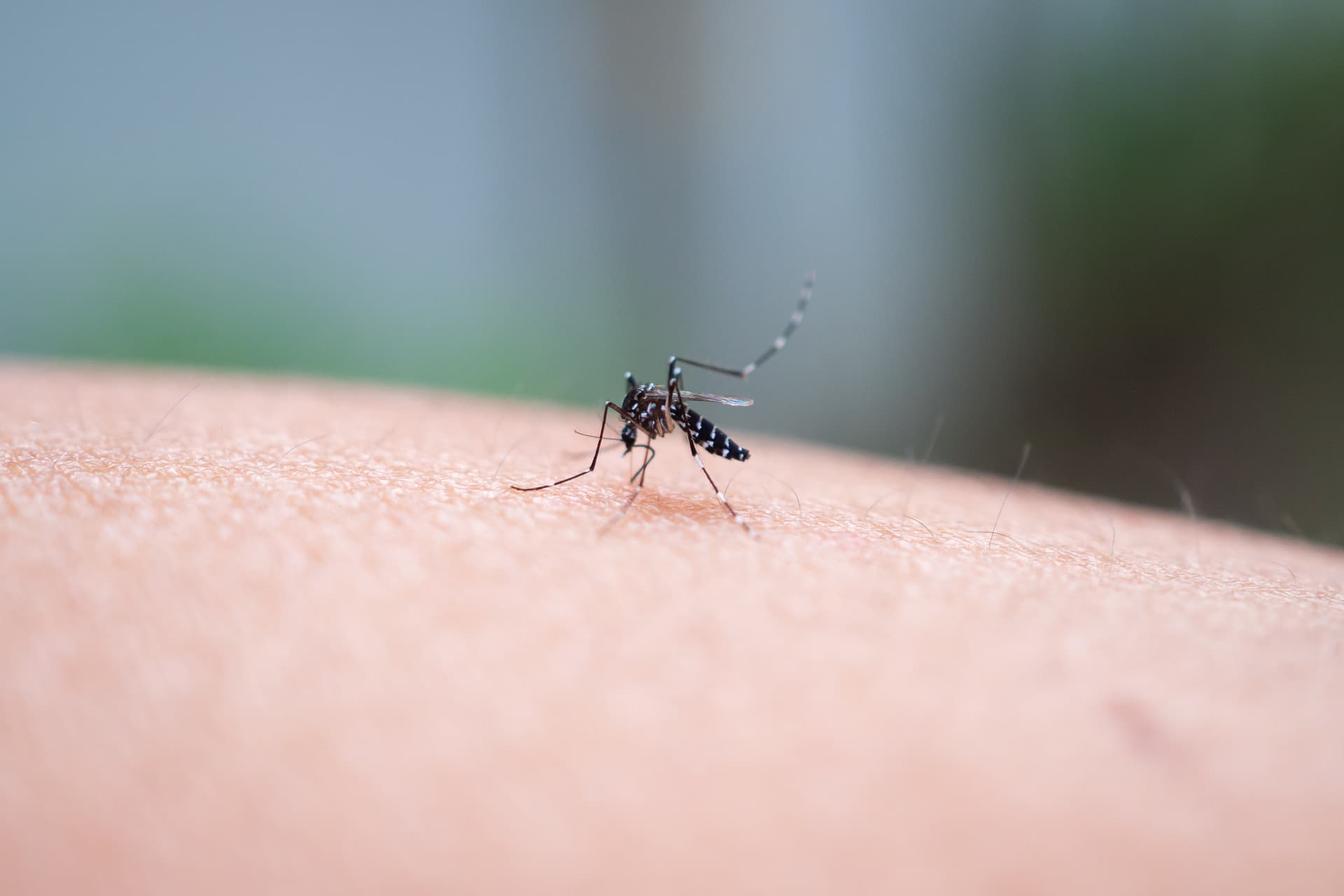
undergone a concerning expansion in recent years. Primarily transmitted by Aedes
aegypti and Aedes albopictus mosquitoes, the virus causes an acute
febrile illness often accompanied by severe joint pain that can persist for
months or even years in some patients. While major outbreaks were once
relatively sporadic, both the number of epidemics and their geographic spread
are now increasing rapidly.
This resurgence raises several
important questions. Why is the virus successfully establishing itself in new
regions? What roles do climate change and viral mutations play in its
expansion? And what strategies could help prevent future outbreaks? To address
these issues, researchers analyzed the key factors driving the global
resurgence of chikungunya, as well as the new prevention tools currently
available.
Read next : Chikungunya:
the invisible epidemic
When Climate, Mutations, and
Globalization Fuel Epidemics
The authors first review the
recent evolution of the virus. Since 2015, outbreaks have multiplied across South
America, Africa, and Asia, and chikungunya now affects 119 countries and
territories. The year 2025 was notably marked by a major outbreak in
Foshan, China, where more than 6,000 confirmed cases were
reported within a matter of weeks.
The analysis identifies several
factors contributing to this expansion. The first is climate change.
Rising temperatures and increasingly frequent episodes of heavy rainfall
promote the proliferation of mosquito vectors and accelerate viral replication
within them. These conditions enable more efficient transmission and facilitate
the emergence of outbreaks in areas that were previously considered at low
risk.
Researchers also emphasize the
role of viral mutations. Certain genetic changes observed in recent
years have enhanced the virus’s ability to infect the mosquitoes responsible
for its transmission. These adaptations increase its epidemic potential and may
contribute to the emergence of new outbreaks in different parts of the world.
Finally, globalization
plays a major role. The growing volume of international travel and trade
facilitates the importation of cases into previously unaffected regions. When
environmental conditions are favorable and competent mosquito vectors are
present, local transmission can quickly become established.
The review also highlights
several promising advances in disease control. The authors point to the growing
value of genomic surveillance, early warning networks, and even wastewater
monitoring for the rapid detection of emerging outbreaks. They also note
that two chikungunya vaccines have now been approved, while several
additional vaccine candidates continue to advance through clinical development.
Read next : Emerging
Zoonotic Viruses: Is Climate Change Setting the Stage for Future Epidemics?
Toward a New Global
Prevention Strategy?
This review confirms that the
resurgence of chikungunya results from a complex combination of environmental,
biological, and societal factors. Climate warming, viral evolution,
increasing mosquito densities, and the growth of international travel are
collectively creating highly favorable conditions for the spread of the
disease.
However, the authors stress that
many at-risk regions still have limited surveillance and early detection
capacities. Outbreaks are often identified only after transmission is already
well established. Furthermore, the long-term impact of emerging viral mutations
on vaccine effectiveness will require ongoing monitoring.
Despite these challenges, the
availability of the first licensed vaccines, improvements in surveillance
systems, and the development of innovative mosquito-control strategies offer
encouraging prospects. In the context of global climate change, chikungunya
prevention may increasingly rely on an integrated approach combining environmental
surveillance, vector control, and targeted vaccination of high-risk populations.
About the author – Ana Espino
PhD in Immunology, specialized in Virology
As a scientific writer, Ana is passionate about bridging the gap between research and real-world impact. With expertise in immunology, virology, oncology, and clinical studies, she makes complex science clear and accessible. Her mission: to accelerate knowledge sharing and empower evidence-based decisions.