This content is in French.
Medical Deserts: Demographic Pressures and New Forms of Community-Based Solidarity
27 novembre 2026
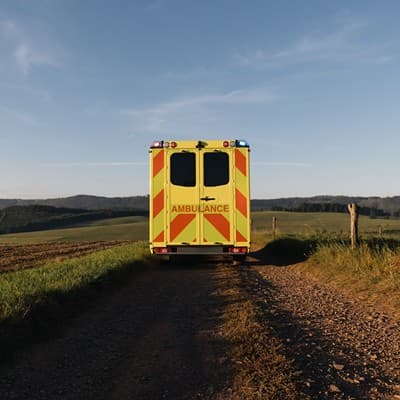
As difficulties in accessing healthcare persist, tackling medical deserts has become a major public health challenge. Strengthening the medical workforce, regulating where doctors practise, promoting coordinated care and encouraging collective engagement among healthcare professionals are all part of the response. Here is an overview of the latest developments and initiatives aimed at addressing local healthcare needs.
Access to healthcare: persistent geographical inequalities
The latest parliamentary and government data from 2026 highlight the scale of the issue: 75.7% of the French population lives in medically underserved areas, and nearly 6.4 million patients have no designated primary care physician.Far from being limited to rural communities, difficulties in accessing healthcare also affect suburban areas and certain districts in the Paris region, such as Seine-Saint-Denis. An ageing medical workforce and anticipated retirements are placing additional pressure on already strained healthcare services.Junior doctors strengthen local healthcare provision
Since early November 2026, nearly 2,700 fourth-year general practice residents have joined medical practices, with 80% of placements allocated to underserved areas.This new arrangement aims to strengthen local healthcare provision, particularly in response to demand for unscheduled consultations. While it provides additional support for medical teams, the long-term challenge of encouraging young doctors to establish permanent practices in underserved areas remains unresolved.Regulating medical practice locations: a renewed debate ahead of 2027
As the presidential election approaches, the geographical distribution of doctors is becoming an increasingly prominent issue in public debate.While the French Senate opposes strict restrictions on where doctors can establish their practices, alternative proposals are emerging. In late November 2026, former Prime Minister Édouard Philippe proposed introducing a mandatory annual week of consultations or on-call duties in medically underserved areas for every physician, alongside a target of training 14,000 doctors annually.Between freedom to choose practice locations, mandatory solidarity measures and the attractiveness of underserved areas, these proposals raise a common question: how can equitable access to healthcare be ensured while preserving satisfactory working conditions for healthcare professionals?Sign in to read the rest
Reserved for healthcare professionals, free registration.