
This content is in French.
Purple on your plate, benefits in your cells?
1 juillet 2025
#Anthocyanins #OxidativeStress #Microbiota
#CardiovascularHealth #Bioavailability
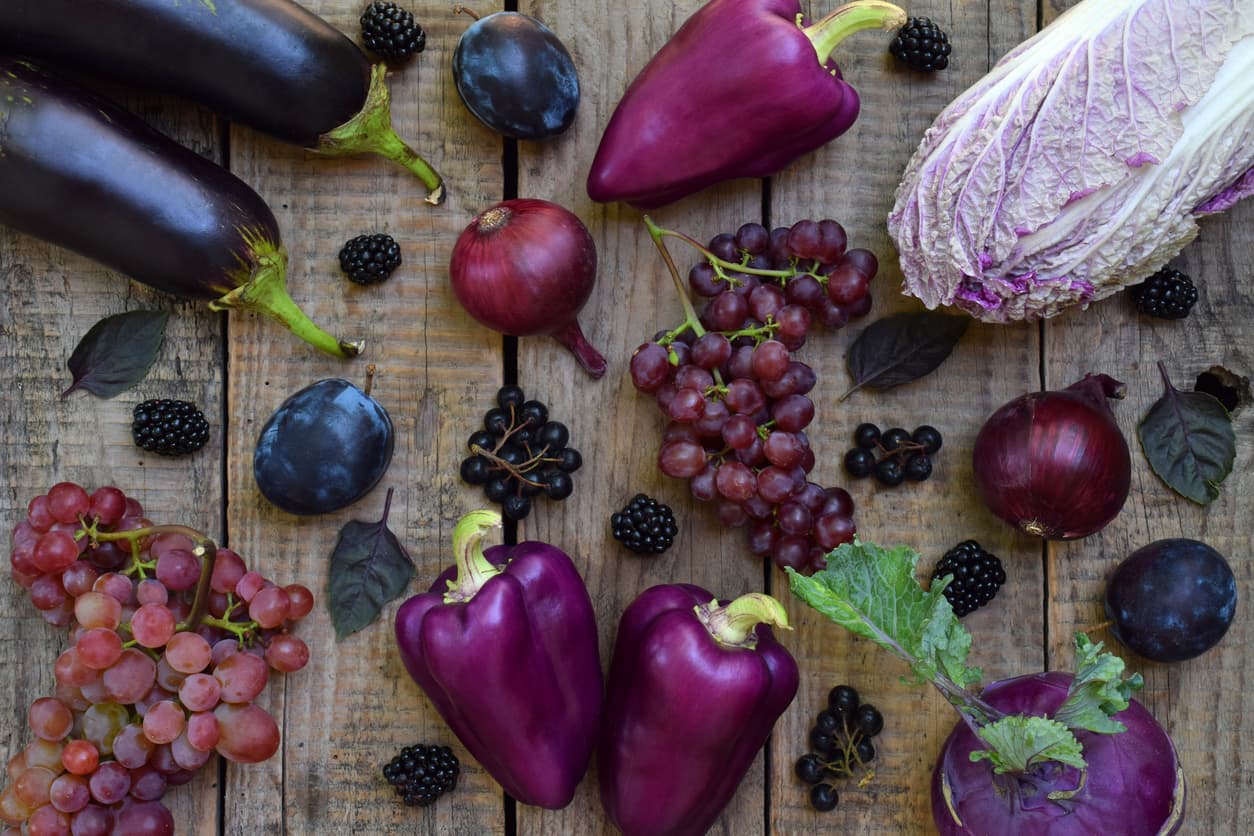
Anthocyanins are water-soluble plant pigments from the flavonoid family, responsible for the red, purple, and blue hues in many fruits and vegetables. Beyond their coloring function, they exhibit strong bioactive potential—particularly antioxidant, anti-inflammatory, and microbiota-modulating effects. These properties have sparked growing interest in the fields of nutritional prevention and chronic disease management.
However, despite these proven in vitro benefits, their actual efficacy in humans remains limited due to low bioavailability, rapid degradation in the body, and high interindividual variability in response. This review aimed to clarify the mechanisms of action, metabolism, and potential strategies to enhance the clinical effectiveness of anthocyanins.
Anthocyanins are water-soluble plant pigments from the flavonoid family, responsible for the red, purple, and blue hues in many fruits and vegetables. Beyond their coloring function, they exhibit strong bioactive potential—particularly antioxidant, anti-inflammatory, and microbiota-modulating effects. These properties have sparked growing interest in the fields of nutritional prevention and chronic disease management.
However, despite these proven in vitro benefits, their actual efficacy in humans remains limited due to low bioavailability, rapid degradation in the body, and high interindividual variability in response. This review aimed to clarify the mechanisms of action, metabolism, and potential strategies to enhance the clinical effectiveness of anthocyanins.
Sign in to read the rest
Reserved for healthcare professionals, free registration.
Scientific reference
Câmara, et al. (2022). Behind the Scenes of Anthocyanins-From the Health Benefits to Potential Applications in Food, Pharmaceutical and Cosmetic Fields. Nutrients, 14(23), 5133
View the source

