By Lila Rouland | Published on November 19, 2025 | 3 min read
Metastatic
castration-resistant prostate cancer (mCRPC) represents an advanced stage of
the disease, commonly treated with
androgen deprivation therapy (ADT). Although
this strategy improves survival, it often leads to a
deterioration in quality
of life (QoL), with side effects such as fatigue, cognitive impairment, bone
pain, and urinary or sexual dysfunction. These physical symptoms are compounded
by the psychological burden of living with a chronic, incurable condition.
Previous studies have shown that physical exercise may benefit patients with
prostate cancer, yet
evidence remains scarce in the specific mCRPC population.
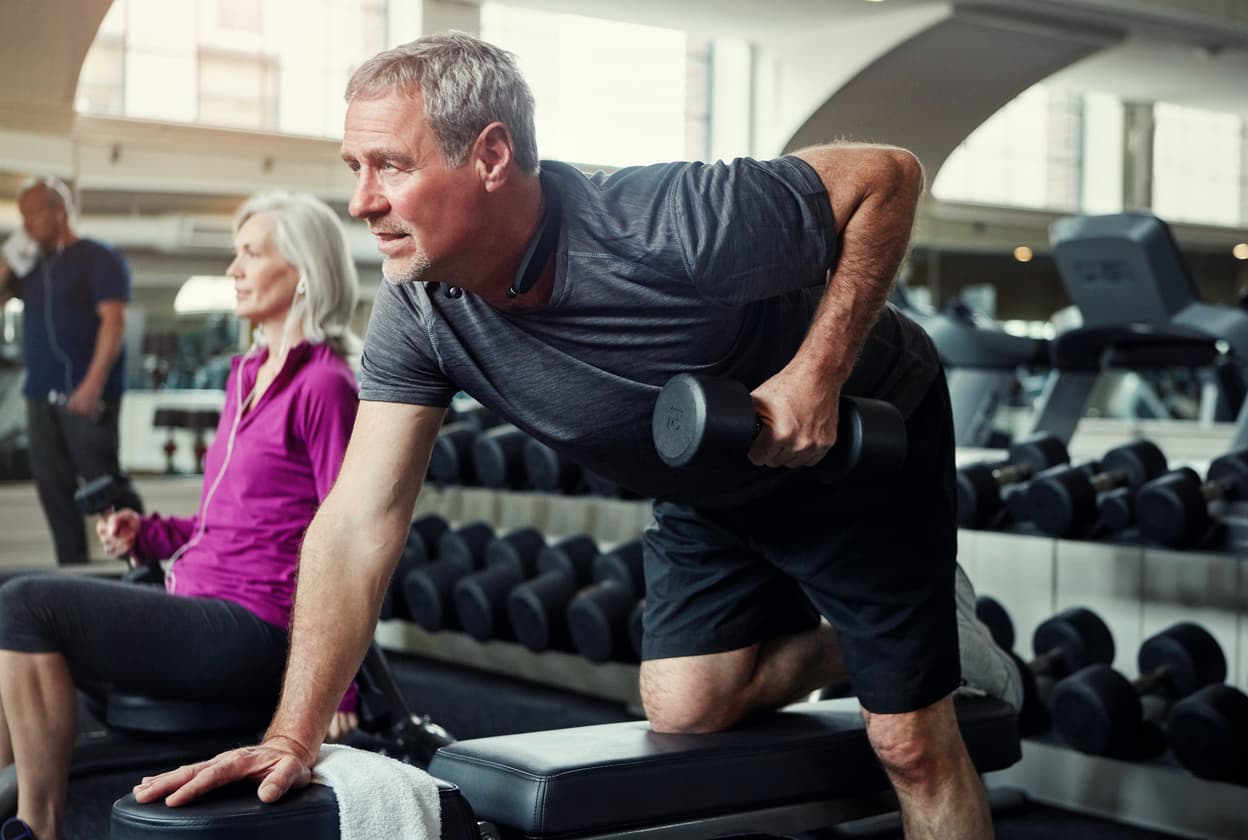
The objective of the CHAMP pilot study was to assess the impact of a
remotely
supervised aerobic or resistance exercise program on patient-reported quality
of life.
Physical
exercise in mCRPC: feasible, well tolerated, but what is the real impact on
quality of life?
The CHAMP
study included
25 men with metastatic castration-resistant prostate cancer,
with a mean age of
71 years. Participants were randomly assigned to three
groups:
aerobic exercise (n=8), resistance exercise (n=7), or control (n=10).
The
12-week program included
three home-based sessions per week, remotely
monitored using heart rate trackers and weekly check-ins. The main objectives
were to determine
feasibility, tolerability, and
potential effects on QoL.
Quality of
life was assessed using validated tools (QLQ-C30, EPIC-26, EQ-5D-5L, FACIT-F,
PSQI, STAI, CES-D), capturing functional, symptomatic, emotional, sexual, and
social dimensions. Despite treatment burden, baseline QoL scores were high,
except for fatigue and sleep quality, suggesting a
selection bias favoring
patients with better overall well-being.
The exercise
interventions were well tolerated, with no major adverse events and
excellent
adherence. However, the observed benefits were
modest and varied depending on
exercise modality :
- Resistance training led to a meaningful improvement in
urinary symptoms (+11.2 EPIC-26 points) and stabilized social functioning.
-
Aerobic exercise resulted in better sleep (lower PSQI scores) and improved
emotional well-being, but was associated with worsening irritative urinary
symptoms (−8.8 EPIC-26 points) and a decline in self-rated QoL (−5.0 EQ-5D
VAS).
- The control group remained largely stable, confirming the absence of a
substantial placebo effect.
No
significant between-group differences were identified, largely due to the
small
sample size. The authors also highlighted that the
extensive questionnaire
burden may have reduced the precision of responses, and that a 12-week
intervention may be too short to capture measurable changes in complex outcomes
such as QoL.
Is physical
exercise relevant for patients with mCRPC?
mCRPC is
associated with numerous quality-of-life challenges, often exacerbated by
long-term ADT. This study sought to explore whether remotely supervised
physical activity—either resistance-based or aerobic—could improve patient
experiences.
The findings, while
encouraging for specific domains such as
sleep, urinary function, and social well-being, showed
no significant overall
improvement. This is likely explained by the short intervention duration, the
small study population, and the unexpectedly high baseline QoL scores.
For future
research, the authors recommend :
- targeting patients with lower baseline QoL,
-
extending intervention duration beyond 12 weeks,
- reducing questionnaire burden,
-
and including more diverse populations, particularly African American patients,
who remain underrepresented in clinical trials.
The ongoing INTERVAL trial
(NCT04507698) aims to address these limitations with a larger cohort and longer
follow-up.
Read next: Treatment of prostate cancer with GnRH agonists: what is the real impact on quality of life?
About the author – Lila RoulandDoctor of Oncology, specialized in Biotechnology and Management
With dual expertise in science and marketing, Lila brings her knowledge to the service of healthcare innovation. After five years in international academic research, she transitioned into medical and scientific communication within the pharmaceutical industry. Now working as a medical writer and content developer, she is committed to highlighting scientific knowledge and conveying it to healthcare professionals with clarity and relevance.