This content is in French.
PFAS: a silent threat to adolescent bone health
26 mars 2026
By Elodie Vaz | Published on March 26, 2026 | 4 min readAdolescence is a critical period for building bone mass. It is during this window that optimal bone mineral density is established, shaping future risk of fractures and osteoporosis. Any disruption to this process may therefore have long-term consequences. Among suspected environmental factors, per- and polyfluoroalkyl substances (PFAS), ofte
By Elodie Vaz | Published on March 26, 2026 | 4 min read
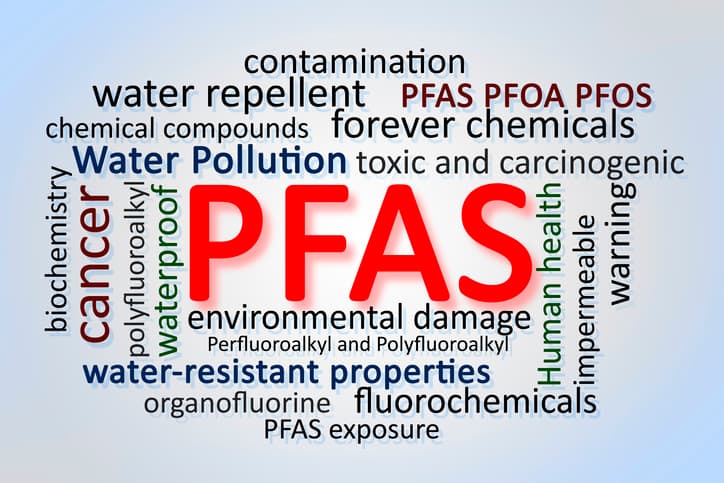
Adolescence is a critical period for building bone mass. It is during this window that optimal bone mineral density is established, shaping future risk of fractures and osteoporosis. Any disruption to this process may therefore have long-term consequences. Among suspected environmental factors, per- and polyfluoroalkyl substances (PFAS), often referred to as “forever chemicals,” are raising increasing concern due to their persistence in the body and widespread presence in the environment.
A study published on March 17 in the Journal of the Endocrine Society examined the impact of early-life exposure to PFAS on bone health during adolescence. The objective was to determine whether these compounds, known to disrupt various biological processes, could also influence bone density at a key stage of development.
Adolescence is a critical period for building bone mass. It is during this window that optimal bone mineral density is established, shaping future risk of fractures and osteoporosis. Any disruption to this process may therefore have long-term consequences. Among suspected environmental factors, per- and polyfluoroalkyl substances (PFAS), often referred to as “forever chemicals,” are raising increasing concern due to their persistence in the body and widespread presence in the environment.
A study published on March 17 in the Journal of the Endocrine Society examined the impact of early-life exposure to PFAS on bone health during adolescence. The objective was to determine whether these compounds, known to disrupt various biological processes, could also influence bone density at a key stage of development.
Sign in to read the rest
Reserved for healthcare professionals, free registration.
Scientific reference
Buckley JP, et al. Early-life exposure to per- and polyfluoroalkyl substances and adolescent bone mineral density. J Endocr Soc. 2026;10(4):bvag039. doi:10.1210/jendso/bvag039
View the source