
Press review
The essentials of recent medical publications, unpacked by our newsroom into a clear, sourced digest, specialty by specialty.
 Psychiatry
The Ketogenic Diet: A Recipe Against Depression?
Treatment-resistant depression (TRD) is a severe form of depression that persists despite the use of at least two adequate antidepressant treatments. This condition, affecting approximately one-third of depressed patients, represents a significant challenge in psychiatry. TRD is associated with significantly reduced quality of life, increased risk of comorbidities, including anxiety and cardiovasc
 Psychiatry
Vitamins for the Mood: The Hidden Role of B, C, and D!
Depression and Seasonal Affective Disorder (SAD) are among the most common and debilitating mood disorders, affecting millions of people worldwide. Depression alone impacts approximately 280 million individuals, significantly reducing quality of life, decreasing productivity, and increasing the risk of comorbidities. SAD, on the other hand, is a specific type of depression that occurs primarily du
 Psychiatry
Beating the winter blues: when lifestyle makes a difference
Seasonal Affective Disorder (SAD) is a form of recurrent depression linked to seasonal changes, particularly in autumn and winter when daylight decreases. Symptoms include persistent fatigue, loss of energy, increased need for sleep, strong cravings for carbohydrates, weight gain, and reduced motivation or interest in daily activities. In severe cases, it may even lead to feelings of hopelessness
 Psychiatry
Beating the Winter Blues: Light Therapy in the Spotlight
Seasonal Affective Disorder (SAD) is a type of depression that primarily occurs in autumn and winter, when exposure to natural light decreases. This lack of light disrupts the internal biological clock, or circadian rhythm, which regulates sleep and hormone production, including serotonin and melatonin. A decrease in serotonin is linked to depressive states, while an excess of melatonin, exacerbat
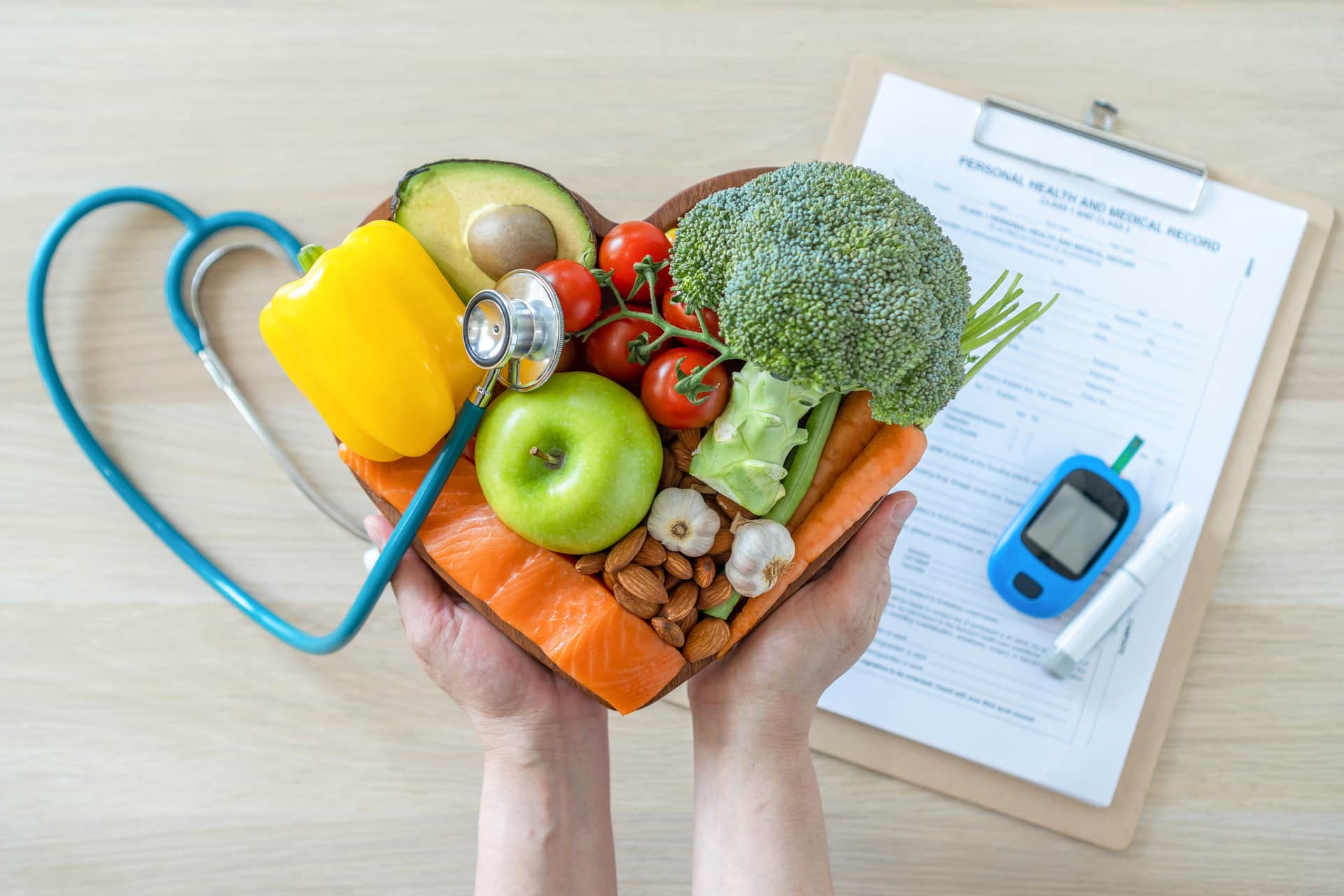 Endocrinology and Metabolism
Fats and Hormones: A Link to Clarify?
The Insulin-like Growth Factor 1 (IGF-1) and its binding proteins (IGFBPs) play a key role in regulating cellular growth, apoptosis, and metabolic homeostasis. Imbalances in their concentrations have been associated with serious conditions such as cancer, cardiovascular diseases, and metabolic disorders. Identifying modifiable factors influencing these biomarkers could provide new perspectives in
 Infectiology
Sepsis: A Critical Challenge for Global Health
Sepsis is a severe condition caused by an uncontrolled immune response in the body, leading to extensive tissue and organ damage. Patients with sepsis often experience widespread inflammation, multi-organ dysfunction, and, in severe cases, septic shock. Without prompt diagnosis and treatment, this condition can be fatal. Due to its high global morbidity and mortality rates, early diagnosis and app
 Infectiology
Double Protection: The RSV + Flu Vaccine Combo to Boost Seniors' Health
Respiratory infections pose a major health challenge for older adults, whose immune systems are often weakened, making these infections more severe and potentially life-threatening. The two main seasonal viruses responsible are respiratory syncytial virus (RSV) and the influenza virus. RSV is a leading cause of severe respiratory illnesses, as is the flu, which can lead to serious complications, i
 Public Health and Social Medicine
Alcohol and Metabolism: A Deadly Duo for Your Liver!
Alcohol consumption can have serious health consequences, particularly when combined with metabolic disorders. Alcohol plays a significant role in the development of liver diseases such as hepatic steatosis and steatohepatitis, which can progress to cirrhosis or liver cancer if left untreated. When combined with conditions like obesity, type 2 diabetes, and hypertension, the risk of severe liver d
 Surgery
Infections Following Orthopedic Surgery: Key Risk Factors to Know!
Deep surgical site infections (DSSIs) following orthopedic interventions are a common complication that can delay healing and hinder patient recovery. These infections affect deep tissues and may result in persistent pain, prolonged hospital stays, and additional interventions. They also increase medical costs due to extended treatments and intensive care. In the long term, DSSIs can impair mobili
 Endocrinology and Metabolism
Helicobacter pylori and Arsenic: A Toxic Cocktail for Your Gut and Liver!
Arsenic, a major environmental pollutant, is widely present in drinking water, posing significant risks to human health. Prolonged exposure to arsenic through contaminated water can lead to various severe diseases, including cancers, cardiovascular disorders, kidney problems, and neurological impairments. Arsenic also disrupts metabolism, weakens the immune system, and affects vital organ function
 Infectiology
CMV vaccine: we're almost there!
Human cytomegalovirus (HCMV) is a common yet dangerous infection, especially for vulnerable groups. In pregnant women, the infection can cause severe malformations, hearing disorders, and cognitive impairments in newborns. Among immunocompromised patients, such as organ transplant recipients, HCMV can lead to severe complications, including organ rejection or systemic infections, thereby increasin
 Gynecology
Astaxanthin: a promising supplement to reduce inflammation and cellular stress in PCOS
Polycystic ovary syndrome (PCOS) is a common hormonal disorder in women of reproductive age, characterized by chronic inflammation, elevated oxidative stress, and abnormalities in cell death mechanisms (apoptosis). These biological imbalances contribute to issues such as irregular ovulation, hormonal disturbances, and other PCOS symptoms. In this context, astaxanthin (ASX), a potent antioxidant, i