
Press review
The essentials of recent medical publications, unpacked by our newsroom into a clear, sourced digest, specialty by specialty.
 Urology-nephrology
A New Era for Bladder Cancer Detection?
Bladder cancer diagnosis and surveillance rely heavily on cystoscopy and urine cytology. These approaches have limitations. Cystoscopy is invasive and requires repeated examinations, while cytology has relatively low sensitivity, particularly for low-grade tumours. More accurate urine-based biomarkers could improve early detection, disease monitoring and treatment selection.In a study published on
 Oncology
Rethinking Breast Cancer Surgery in Older Women
Surgery remains the standard treatment for older women with early-stage, oestrogen receptor-positive (ER-positive) breast cancer. However, surgery may pose significant risks for patients with frailty, multiple health conditions or limited life expectancy.Primary endocrine therapy (PET) offers a less invasive approach. It uses hormone-blocking medicines, such as tamoxifen or aromatase inhibitors, t
 General Medicine
Cancer: The Importance of Pre-disclosure
Communicating a cancer diagnosis is a crucial stage in the patient care pathway, often associated with considerable emotional distress. Although cancer diagnosis disclosure in France follows a structured institutional framework, it is not limited to a specialist consultation. General practitioners (GPs) are frequently involved at an earlier stage, particularly in identifying suspicious symptoms an
 General Medicine
Tendinopathies: Which Topical NSAIDs Are Truly Effective?
Tendinopathies are a common reason for primary care consultations (12.6%). They encompass various disorders affecting tendons and periarticular structures, causing pain that can sometimes be disabling. Topical nonsteroidal anti-inflammatory drugs (NSAIDs) are widely used to relieve these symptoms, particularly because they generally result in lower systemic exposure than oral formulations.However,
 Oncology
Tarlatamab in the Real World
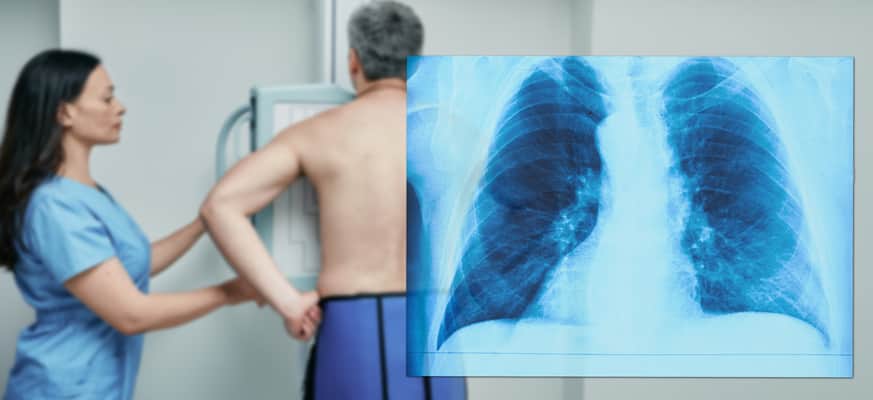
Tarlatamab has changed the treatment landscape for relapsed small-cell lung cancer (SCLC). However, patients treated in routine practice are often older, frailer or have more complex disease than those enrolled in clinical trials. A multicentre US study led by Alissa J. Cooper therefore assessed the effectiveness and safety of tarlatamab in a real-world population, with particular attention to pat
 Oncology
Smoking Cessation After Cancer Diagnosis
A diagnosis of cancer is sometimes accompanied by the misconception that the damage caused by smoking has already occurred and that stopping smoking will make little difference. The evidence in the synthesis published by the International Agency for Research on Cancer (IARC) in September 2026 challenges this assumption. Smoking remains responsible for approximately one quarter of cancer deaths wor
 Cardiology and Vascular Medicine
Cooling Vapes, Cardiac Risk
Synthetic cooling agents may increase arrhythmia riskE-cigarettes contain more than nicotine. Their aerosols may include solvents, flavourings, metals and other additives with potential cardiovascular effects. In an American Heart Association (AHA) article published on 29 June 2026, the organisation highlighted growing evidence that chemicals found in e-cigarettes may harm cardiovascular health. T
 Cardiology and Vascular Medicine
Diabetes and the Wider Cardiovascular Risk
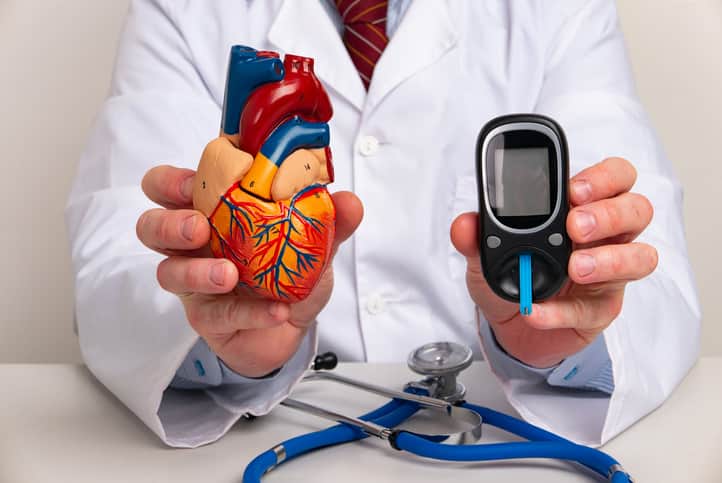
Looking beyond atherosclerosis and heart failureCardiovascular disease remains a major cause of illness and death in people with diabetes mellitus. Much clinical attention has focused on atherosclerotic cardiovascular disease and heart failure. However, diabetes is also associated with several other important cardiovascular conditions.In this review, published in November 2026, Joanna Y. Gong and
 General Medicine
Rethinking Type 2 Diabetes Care
A broader view of diabetes managementThe 2026 American Diabetes Association (ADA) / European Association for the Study of Diabetes (EASD) consensus report represents an important shift in the management of type 2 diabetes. Published in October 2026, the report by Melanie J. Davies and colleagues moves beyond a primary focus on glucose lowering. Instead, it promotes early, holistic management of ca
 Endocrinology and Metabolism
Rethinking the β-cell in type 1 diabetes
A changing view of disease progressionType 1 diabetes mellitus (T1DM) has traditionally been viewed as an autoimmune disease in which immune cells progressively destroy pancreatic β-cells until insulin production becomes insufficient. New studies of human pancreatic tissue are now revealing a more complex process.In this Perspective, published in October 2026, Decio L. Eizirik and colleagues revie
 Oncology
Beyond Residual Tumour in Non-Small Cell Lung Cancer
Neoadjuvant treatment has become increasingly important in non-small cell lung cancer (NSCLC), particularly with the introduction of immune checkpoint inhibitors alongside chemotherapy and the use of targeted therapies in oncogene-driven disease. Following treatment and surgery, pathological assessment of the tumour bed provides information about how effectively the cancer has responded.Traditiona
 Oncology
AI Sharpens Lung Cancer Response Assessment
Why pathological response mattersFor patients with resectable (NSCLC), neoadjuvant chemoimmunotherapy is increasingly used before surgery. Assessing how much viable tumour remains after treatment can provide an important indication of therapeutic response. Pathological response is commonly expressed as the percentage of residual viable tumour (%RVT). Major pathological response (MPR) is defined as