2026-06-24
Chikungunya: Understanding the Mechanisms of a Virus Undergoing Global Expansion
Infectiology
By Ana Espino | Published on June 24, 2026 | 4 min read
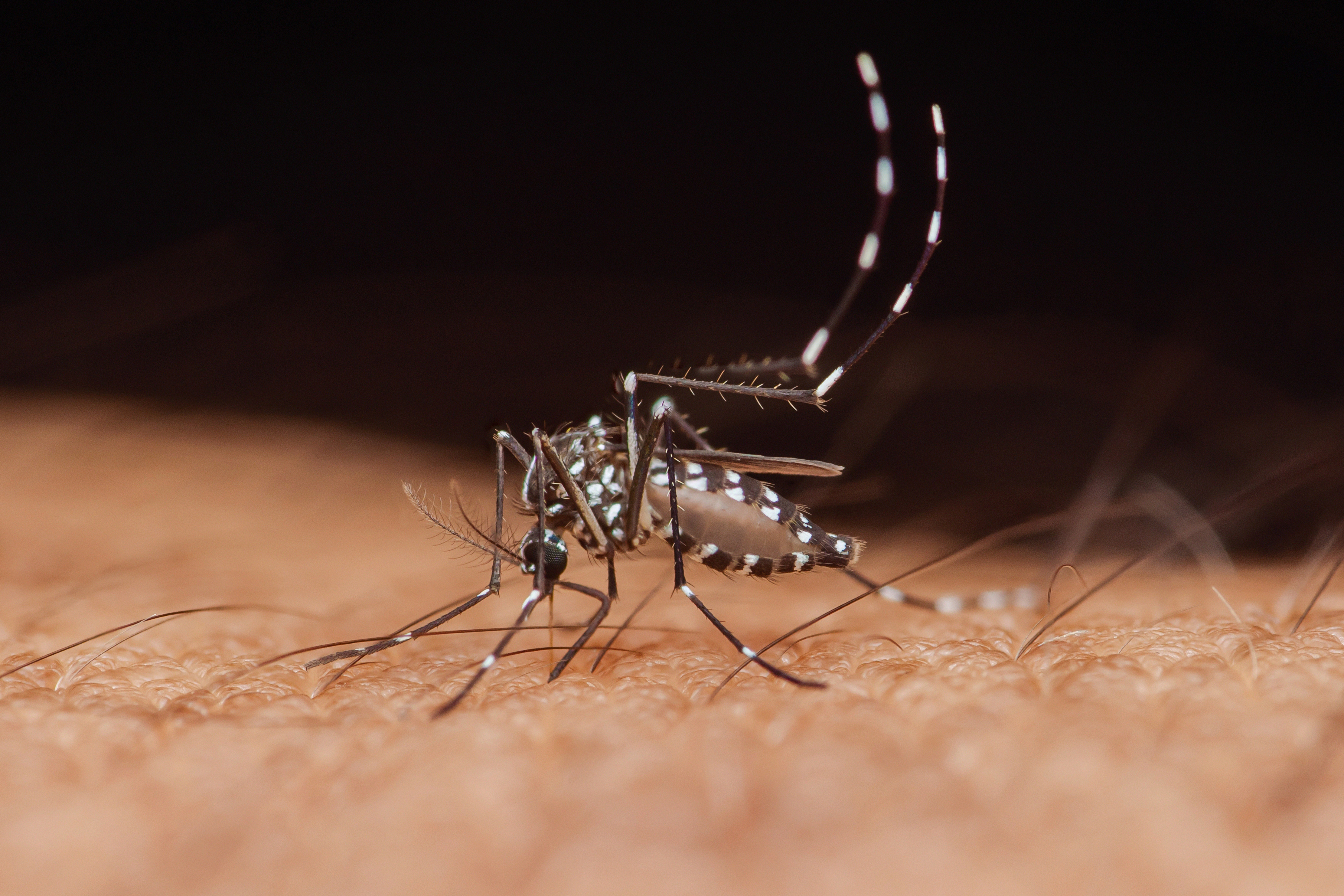
Chikungunya is a viral disease transmitted primarily by Aedes aegypti and Aedes albopictus mosquitoes. Once confined to certain tropical regions of Africa and Asia, the virus is now undergoing rapid geographic expansion, driven by climate change, urbanization, and the intensification of international travel and trade. Responsible for a sudden-onset febrile illness accompanied by severe joint pain, chikungunya has become a growing concern for global public health.
To better understand the mechanisms underlying this spread, Iranian researchers published a comprehensive review examining the virus’s biology, genetic evolution, pathogenesis, immune response, and current control strategies. Their analysis highlights recent advances in our understanding of virus-host interactions as well as emerging preventive approaches.
Read next : Chikungunya: the invisible epidemic
Chikungunya virus possesses a single-stranded RNA genome, and certain mutations have enhanced its ability to adapt to new mosquito vectors. The authors particularly emphasize the E1-A226V mutation, which improves transmission by Aedes albopictus, a mosquito species now widely established across Europe, the Americas, and Asia. This genetic adaptation has contributed significantly to the emergence of numerous outbreaks over the past two decades.
Researchers also highlight the recent identification of the MXRA8 cellular receptor, which the virus uses to enter various human cell types, including fibroblasts, muscle cells, and osteoblasts. This discovery helps explain why the virus preferentially targets musculoskeletal tissues and can cause joint pain that persists long after the acute infection has resolved.
Read next : Chikungunya: Why Is This Virus Re-Emerging Around the World?
One of the defining features of chikungunya is the persistence of joint symptoms in certain patients. According to the authors, the virus can establish long-term infection within macrophages and fibroblasts located in the joints. This persistence sustains chronic inflammation characterized by the continuous production of pro-inflammatory cytokines such as IL-6 and IL-8.
The review also shows that the virus can hijack specific cellular pathways, particularly autophagy, to enhance its replication and partially evade host immune defenses. Several viral proteins are capable of suppressing the production of interferons, key molecules involved in the early antiviral response. This immune evasion capacity may help explain the persistence of infection and symptoms in some individuals.
The authors review recent advances in vaccination. The live-attenuated vaccine IXCHIQ® (Valneva) became the first approved vaccine against chikungunya, while the virus-like particle vaccine PXVX0317 demonstrated highly encouraging results in Phase III clinical trials, achieving high seroconversion rates.
However, some pharmacovigilance data have prompted health authorities to strengthen post-marketing surveillance, particularly among vulnerable populations. Nevertheless, the authors believe that vaccination could play a major role in reducing the global burden of the disease, especially in highly exposed regions.
Read next : Evaluation d’un vaccin contre le chikungunya
The review also highlights the growing scale of outbreaks reported between 2024 and 2025. More than 1.6 million suspected cases were recorded worldwide during this period, with major outbreaks occurring in China, South America, Africa, and several European territories. The geographic expansion of mosquito vectors, driven by global warming, could further accelerate this trend in the coming years.
The authors conclude that no single intervention will be sufficient to sustainably control chikungunya. Effective disease management will require a combination of strategies involving vaccination, epidemiological surveillance, mosquito control, and the development of new therapeutic approaches. Faced with a threat that has become truly global, stronger international coordination will be essential to limit the health and socioeconomic impact of future outbreaks.
Read next : Emerging Zoonotic Viruses: Is Climate Change Setting the Stage for Future Epidemics?
About the author – Ana Espino
PhD in Immunology, specialized in Virology
As a scientific writer, Ana is passionate about bridging the gap between research and real-world impact. With expertise in immunology, virology, oncology, and clinical studies, she makes complex science clear and accessible. Her mission: to accelerate knowledge sharing and empower evidence-based decisions.
Chikungunya is a viral disease transmitted primarily by Aedes aegypti and Aedes albopictus mosquitoes. Once confined to certain tropical regions of Africa and Asia, the virus is now undergoing rapid geographic expansion, driven by climate change, urbanization, and the intensification of international travel and trade. Responsible for a sudden-onset febrile illness accompanied by severe joint pain, chikungunya has become a growing concern for global public health.
To better understand the mechanisms underlying this spread, Iranian researchers published a comprehensive review examining the virus’s biology, genetic evolution, pathogenesis, immune response, and current control strategies. Their analysis highlights recent advances in our understanding of virus-host interactions as well as emerging preventive approaches.
Read next : Chikungunya: the invisible epidemic
A Virus Able to Adapt to Its Vectors and Environment
Chikungunya virus possesses a single-stranded RNA genome, and certain mutations have enhanced its ability to adapt to new mosquito vectors. The authors particularly emphasize the E1-A226V mutation, which improves transmission by Aedes albopictus, a mosquito species now widely established across Europe, the Americas, and Asia. This genetic adaptation has contributed significantly to the emergence of numerous outbreaks over the past two decades.
Researchers also highlight the recent identification of the MXRA8 cellular receptor, which the virus uses to enter various human cell types, including fibroblasts, muscle cells, and osteoblasts. This discovery helps explain why the virus preferentially targets musculoskeletal tissues and can cause joint pain that persists long after the acute infection has resolved.
Read next : Chikungunya: Why Is This Virus Re-Emerging Around the World?
Why Do Some Patients Experience Joint Pain for Years?
One of the defining features of chikungunya is the persistence of joint symptoms in certain patients. According to the authors, the virus can establish long-term infection within macrophages and fibroblasts located in the joints. This persistence sustains chronic inflammation characterized by the continuous production of pro-inflammatory cytokines such as IL-6 and IL-8.
The review also shows that the virus can hijack specific cellular pathways, particularly autophagy, to enhance its replication and partially evade host immune defenses. Several viral proteins are capable of suppressing the production of interferons, key molecules involved in the early antiviral response. This immune evasion capacity may help explain the persistence of infection and symptoms in some individuals.
Promising Vaccines, but Continued Vigilance Is Needed
The authors review recent advances in vaccination. The live-attenuated vaccine IXCHIQ® (Valneva) became the first approved vaccine against chikungunya, while the virus-like particle vaccine PXVX0317 demonstrated highly encouraging results in Phase III clinical trials, achieving high seroconversion rates.
However, some pharmacovigilance data have prompted health authorities to strengthen post-marketing surveillance, particularly among vulnerable populations. Nevertheless, the authors believe that vaccination could play a major role in reducing the global burden of the disease, especially in highly exposed regions.
Read next : Evaluation d’un vaccin contre le chikungunya
A Global Threat Intensified by Climate Change
The review also highlights the growing scale of outbreaks reported between 2024 and 2025. More than 1.6 million suspected cases were recorded worldwide during this period, with major outbreaks occurring in China, South America, Africa, and several European territories. The geographic expansion of mosquito vectors, driven by global warming, could further accelerate this trend in the coming years.
The authors conclude that no single intervention will be sufficient to sustainably control chikungunya. Effective disease management will require a combination of strategies involving vaccination, epidemiological surveillance, mosquito control, and the development of new therapeutic approaches. Faced with a threat that has become truly global, stronger international coordination will be essential to limit the health and socioeconomic impact of future outbreaks.
Read next : Emerging Zoonotic Viruses: Is Climate Change Setting the Stage for Future Epidemics?
About the author – Ana Espino
PhD in Immunology, specialized in Virology
As a scientific writer, Ana is passionate about bridging the gap between research and real-world impact. With expertise in immunology, virology, oncology, and clinical studies, she makes complex science clear and accessible. Her mission: to accelerate knowledge sharing and empower evidence-based decisions.
Last press reviews
Does Nicotinamide Really Prevent Skin Cancer?

By Ana Espino | Published on July 01, 2026 | 4 min read<br><br><br>
Exercising in Extreme Heat: How Can Performance Be Preserved While Reducing Health Risks?

By Ana Espino | Published on June 29, 2026 | 4 min read<br><br><br>
Oropouche Virus: A New Threat to Monitor During Pregnancy?

By Ana Espino | Published on June 26, 2026 | 4 min read<br><br>