2025-12-19
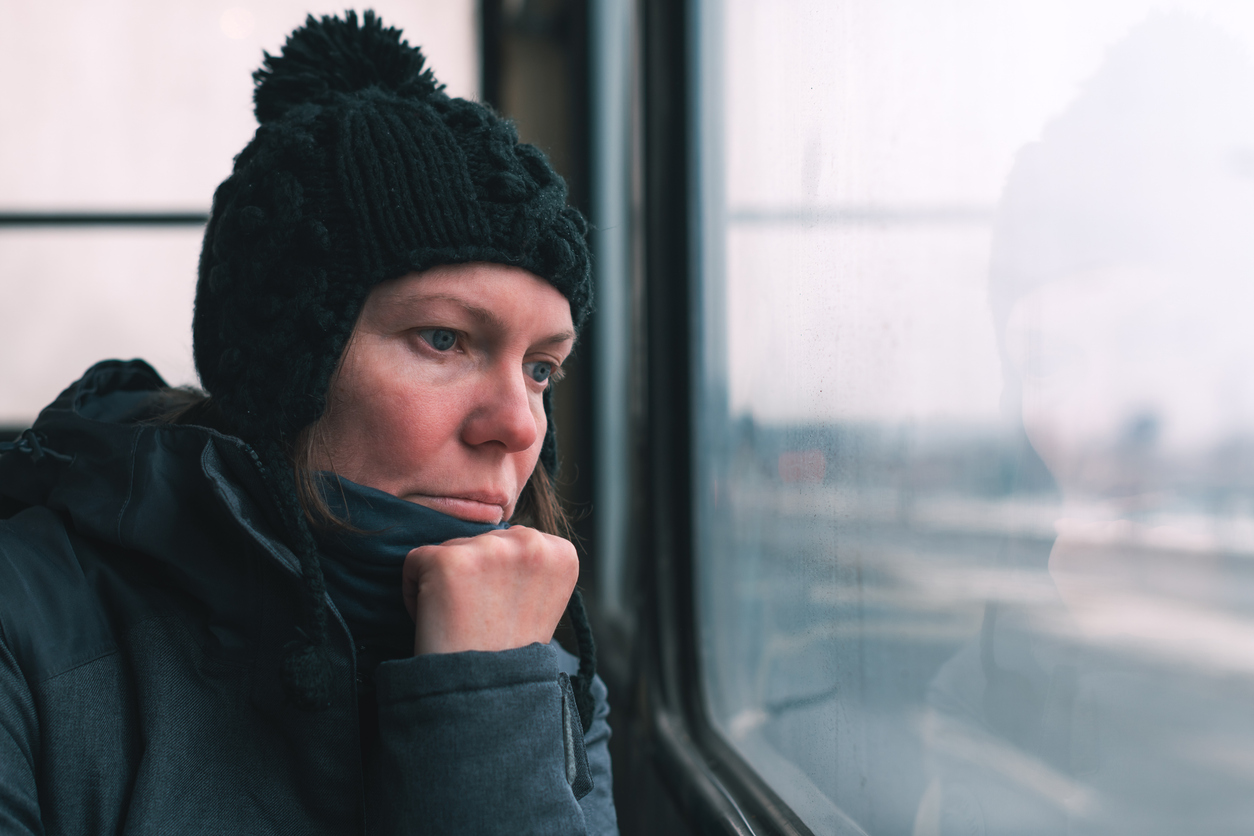
Winter blues: what if lifestyle were the key?
Psychiatry
By Ana Espino | Published on December 19, 2025 | 3 min read
Seasonal affective disorder (SAD) is a recurrent form of depression, primarily triggered by reduced daylight in autumn and winter. It affects mood, sleep, energy, appetite, and social functioning. Although often considered mild, it can have a substantial impact on quality of life, particularly in northern regions or among at-risk individuals. Conventional treatments such as light therapy, antidepressants, or psychotherapy have limitations, including cost, accessibility, tolerability issues, low adherence, or variable effectiveness. Moreover, SAD remains underdiagnosed and undertreated, especially in primary care settings.
The current challenge is to propose complementary, accessible, and non-pharmacological approaches that could be integrated into prevention or supportive care. In this context, this study was initiated to assess the impact of lifestyle modifications (physical activity, natural light exposure, stress management, sleep, and diet) on SAD symptoms.
Thirteen studies published between 2003 and 2023 were selected. The interventions examined targeted modifiable behaviors such as physical activity (yoga, walking, aerobic exercise), mindfulness practices, exposure to natural light, improvement of sleep hygiene, stress management, and, to a lesser extent, diet.
The results indicate that regular physical activity, even at moderate intensity, can significantly reduce seasonal depressive symptoms, particularly when performed outdoors. Exposure to natural light through morning walks or adjustments to the home environment (open curtains, brighter living spaces) enhances the effects of other interventions. Mindfulness techniques and regulation of the sleep–wake rhythm also provide benefits for mood and fatigue.
In contrast, isolated nutritional interventions still lack robust data. Overall, the findings suggest that combining several approaches (for example, exercise + light + sleep) is more effective than a single-strategy intervention.
SAD is a common seasonal condition that remains inadequately managed. This review highlights the potential of lifestyle-based interventions, which may serve as gentle alternatives or complements to conventional treatments. They offer the advantages of being non-invasive, low cost, and adaptable to daily life.
However, limitations remain and justify further research. Future studies should include larger randomized trials with standardized protocols (duration, intensity, modalities), long-term follow-up, and more refined identification of responder profiles. It will also be essential to develop combined programs integrating physical activity, light exposure, sleep regularity, and psychological support to achieve a more comprehensive, personalized, and sustainable management of seasonal affective disorder.
Seasonal affective disorder (SAD) is a recurrent form of depression, primarily triggered by reduced daylight in autumn and winter. It affects mood, sleep, energy, appetite, and social functioning. Although often considered mild, it can have a substantial impact on quality of life, particularly in northern regions or among at-risk individuals. Conventional treatments such as light therapy, antidepressants, or psychotherapy have limitations, including cost, accessibility, tolerability issues, low adherence, or variable effectiveness. Moreover, SAD remains underdiagnosed and undertreated, especially in primary care settings.
The current challenge is to propose complementary, accessible, and non-pharmacological approaches that could be integrated into prevention or supportive care. In this context, this study was initiated to assess the impact of lifestyle modifications (physical activity, natural light exposure, stress management, sleep, and diet) on SAD symptoms.
Can changing habits chase away the winter blues?
Thirteen studies published between 2003 and 2023 were selected. The interventions examined targeted modifiable behaviors such as physical activity (yoga, walking, aerobic exercise), mindfulness practices, exposure to natural light, improvement of sleep hygiene, stress management, and, to a lesser extent, diet.
The results indicate that regular physical activity, even at moderate intensity, can significantly reduce seasonal depressive symptoms, particularly when performed outdoors. Exposure to natural light through morning walks or adjustments to the home environment (open curtains, brighter living spaces) enhances the effects of other interventions. Mindfulness techniques and regulation of the sleep–wake rhythm also provide benefits for mood and fatigue.
In contrast, isolated nutritional interventions still lack robust data. Overall, the findings suggest that combining several approaches (for example, exercise + light + sleep) is more effective than a single-strategy intervention.
Move, get light, breathe: a therapy within everyone’s reach?
SAD is a common seasonal condition that remains inadequately managed. This review highlights the potential of lifestyle-based interventions, which may serve as gentle alternatives or complements to conventional treatments. They offer the advantages of being non-invasive, low cost, and adaptable to daily life.
However, limitations remain and justify further research. Future studies should include larger randomized trials with standardized protocols (duration, intensity, modalities), long-term follow-up, and more refined identification of responder profiles. It will also be essential to develop combined programs integrating physical activity, light exposure, sleep regularity, and psychological support to achieve a more comprehensive, personalized, and sustainable management of seasonal affective disorder.
Read next: Beating the winter blues: when lifestyle makes a difference
About the author – Ana Espino
As a scientific writer, Ana is passionate about bridging the gap between research and real-world impact. With expertise in immunology, virology, oncology, and clinical studies, she makes complex science clear and accessible. Her mission: to accelerate knowledge sharing and empower evidence-based decisions through impactful communication.
PhD in Immunology, specialized in Virology
Last press reviews
Does Nicotinamide Really Prevent Skin Cancer?
By Ana Espino | Published on July 01, 2026 | 4 min read<br><br><br>
Exercising in Extreme Heat: How Can Performance Be Preserved While Reducing Health Risks?
By Ana Espino | Published on June 29, 2026 | 4 min read<br><br><br>
Oropouche Virus: A New Threat to Monitor During Pregnancy?

By Ana Espino | Published on June 26, 2026 | 4 min read<br><br>