2026-04-21
Malaria Making a Comeback? The Trap of Imported Cases
Infectiology
By Ana Espino | Published on April 21, 2026 | 4 min read
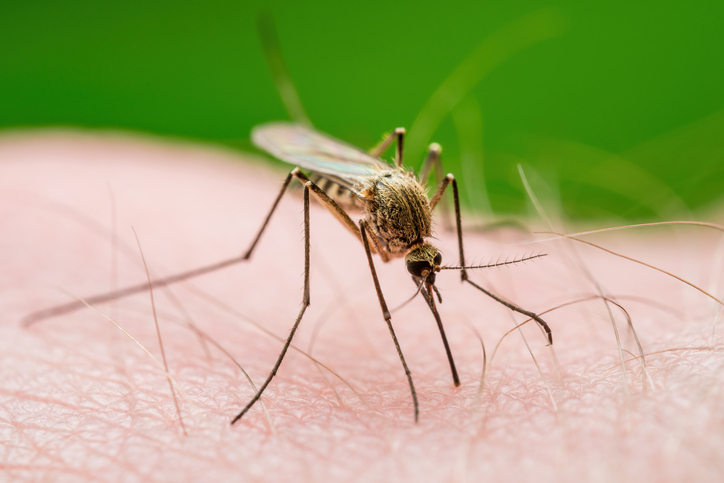
Malaria is a parasitic disease transmitted by mosquitoes of the Anopheles genus. Although many countries have succeeded in eliminating local transmission, these areas remain at risk of reintroduction, mainly through imported cases linked to population movements, international travel, or cross-border exchanges. This situation highlights the fragility of malaria elimination achievements.
Despite the progress made, several limitations persist, particularly in management and prevention strategies. Surveillance systems may lack sensitivity or responsiveness to detect imported cases early, especially when infections are asymptomatic or submicroscopic. Diagnostic tools, although effective, are not always deployed uniformly, and some preventive approaches such as chemoprophylaxis show variable effectiveness depending on the context. Moreover, treatment alone is not sufficient to prevent the reintroduction of the disease without a comprehensive, integrated approach.
In this context, several major challenges arise. Increasing population mobility, including migrants, international workers, and military personnel, facilitates the importation of cases. The continued presence of mosquito vectors in areas declared malaria-free also represents a significant risk factor. Added to this are the difficulties in detecting low-parasite-density infections and maintaining diagnostic expertise in regions where the disease has become rare. Finally, coordination between countries, particularly at borders, remains a key issue.
The objective of this study is to analyze the strategies implemented to control imported malaria cases and prevent their reintroduction in areas that have achieved elimination, in order to identify the most effective approaches and lessons learned.
In this study, twenty-four research articles were selected for in-depth analysis. These works mainly focused on the surveillance of imported cases, vector monitoring, vector control strategies, and complementary interventions.
The results show that the reintroduction of malaria is primarily linked to the importation of cases from endemic areas, driven by migration, conflicts, and international travel. The presence of competent mosquito vectors in receiving areas is a determining factor in the resumption of local transmission.
Surveillance strategies appear to be a central pillar of prevention. They rely on various approaches, including active and passive case detection, sometimes combined with structured systems that impose strict timelines for notification, investigation, and response. Diagnosis mainly relies on microscopy, rapid diagnostic tests, and molecular techniques, the latter being particularly useful for detecting asymptomatic infections. The speed of case management—from symptom onset to treatment—is a key factor in limiting transmission risk.
Case management is based on antimalarial treatments adapted to the Plasmodium species. In some contexts, preventive strategies such as mass drug administration or chemoprophylaxis have been implemented, with variable results. These approaches are more effective when integrated into a broader strategy.
In addition, vector surveillance and control play an essential role. Identifying mosquito breeding sites and implementing measures such as insecticide-treated bed nets, indoor residual spraying, or larval habitat management can significantly reduce vector populations. Finally, complementary actions such as health promotion, intersectoral collaboration, and cross-border initiatives enhance the overall effectiveness of the strategies implemented.
Malaria remains a persistent threat, even in regions where it has been eliminated, due to the risk of reintroduction linked to imported cases. The challenges associated with this issue include international mobility, the difficulty of detecting asymptomatic infections, maintaining effective surveillance systems, and the continued presence of competent vectors.
The study aimed to identify the most effective strategies to prevent malaria reintroduction. It highlights that implementing integrated strategies—combining case surveillance, vector control, prevention, and coordination among stakeholders—is essential to sustain elimination achievements. Surveillance alone is not sufficient and must be complemented by interventions adapted to the local context.
It is therefore necessary to develop approaches tailored to the specific vulnerability of each region, improve diagnostic tools—particularly for low-density infections—and strengthen international collaboration. The integration of predictive models could also help anticipate the risk of reintroduction and optimize long-term prevention strategies.
About the author – Ana Espino
PhD in Immunology, specialized in Virology
As a scientific writer, Ana is passionate about bridging the gap between research and real-world impact. With expertise in immunology, virology, oncology, and clinical studies, she makes complex science clear and accessible. Her mission: to accelerate knowledge sharing and empower evidence-based decisions through impactful communication.
Malaria is a parasitic disease transmitted by mosquitoes of the Anopheles genus. Although many countries have succeeded in eliminating local transmission, these areas remain at risk of reintroduction, mainly through imported cases linked to population movements, international travel, or cross-border exchanges. This situation highlights the fragility of malaria elimination achievements.
Despite the progress made, several limitations persist, particularly in management and prevention strategies. Surveillance systems may lack sensitivity or responsiveness to detect imported cases early, especially when infections are asymptomatic or submicroscopic. Diagnostic tools, although effective, are not always deployed uniformly, and some preventive approaches such as chemoprophylaxis show variable effectiveness depending on the context. Moreover, treatment alone is not sufficient to prevent the reintroduction of the disease without a comprehensive, integrated approach.
In this context, several major challenges arise. Increasing population mobility, including migrants, international workers, and military personnel, facilitates the importation of cases. The continued presence of mosquito vectors in areas declared malaria-free also represents a significant risk factor. Added to this are the difficulties in detecting low-parasite-density infections and maintaining diagnostic expertise in regions where the disease has become rare. Finally, coordination between countries, particularly at borders, remains a key issue.
The objective of this study is to analyze the strategies implemented to control imported malaria cases and prevent their reintroduction in areas that have achieved elimination, in order to identify the most effective approaches and lessons learned.
How Can We Prevent the Return of Malaria?
In this study, twenty-four research articles were selected for in-depth analysis. These works mainly focused on the surveillance of imported cases, vector monitoring, vector control strategies, and complementary interventions.
The results show that the reintroduction of malaria is primarily linked to the importation of cases from endemic areas, driven by migration, conflicts, and international travel. The presence of competent mosquito vectors in receiving areas is a determining factor in the resumption of local transmission.
Surveillance strategies appear to be a central pillar of prevention. They rely on various approaches, including active and passive case detection, sometimes combined with structured systems that impose strict timelines for notification, investigation, and response. Diagnosis mainly relies on microscopy, rapid diagnostic tests, and molecular techniques, the latter being particularly useful for detecting asymptomatic infections. The speed of case management—from symptom onset to treatment—is a key factor in limiting transmission risk.
Case management is based on antimalarial treatments adapted to the Plasmodium species. In some contexts, preventive strategies such as mass drug administration or chemoprophylaxis have been implemented, with variable results. These approaches are more effective when integrated into a broader strategy.
In addition, vector surveillance and control play an essential role. Identifying mosquito breeding sites and implementing measures such as insecticide-treated bed nets, indoor residual spraying, or larval habitat management can significantly reduce vector populations. Finally, complementary actions such as health promotion, intersectoral collaboration, and cross-border initiatives enhance the overall effectiveness of the strategies implemented.
Keeping Malaria at Bay
Malaria remains a persistent threat, even in regions where it has been eliminated, due to the risk of reintroduction linked to imported cases. The challenges associated with this issue include international mobility, the difficulty of detecting asymptomatic infections, maintaining effective surveillance systems, and the continued presence of competent vectors.
The study aimed to identify the most effective strategies to prevent malaria reintroduction. It highlights that implementing integrated strategies—combining case surveillance, vector control, prevention, and coordination among stakeholders—is essential to sustain elimination achievements. Surveillance alone is not sufficient and must be complemented by interventions adapted to the local context.
It is therefore necessary to develop approaches tailored to the specific vulnerability of each region, improve diagnostic tools—particularly for low-density infections—and strengthen international collaboration. The integration of predictive models could also help anticipate the risk of reintroduction and optimize long-term prevention strategies.
About the author – Ana Espino
PhD in Immunology, specialized in Virology
As a scientific writer, Ana is passionate about bridging the gap between research and real-world impact. With expertise in immunology, virology, oncology, and clinical studies, she makes complex science clear and accessible. Her mission: to accelerate knowledge sharing and empower evidence-based decisions through impactful communication.
Last press reviews
Does Nicotinamide Really Prevent Skin Cancer?

By Ana Espino | Published on July 01, 2026 | 4 min read<br><br><br>
Exercising in Extreme Heat: How Can Performance Be Preserved While Reducing Health Risks?

By Ana Espino | Published on June 29, 2026 | 4 min read<br><br><br>
Oropouche Virus: A New Threat to Monitor During Pregnancy?

By Ana Espino | Published on June 26, 2026 | 4 min read<br><br>