2026-02-17
“We’re going to get through this together”: emotional support in advanced childhood cancer
Oncology
By Carolina Lima | Published on February 17, 2026 | 3 min read
As HCPs, most of us will, at some point in our careers, encounter families facing one of the most devastating situations imaginable: an advanced childhood cancer diagnosis.
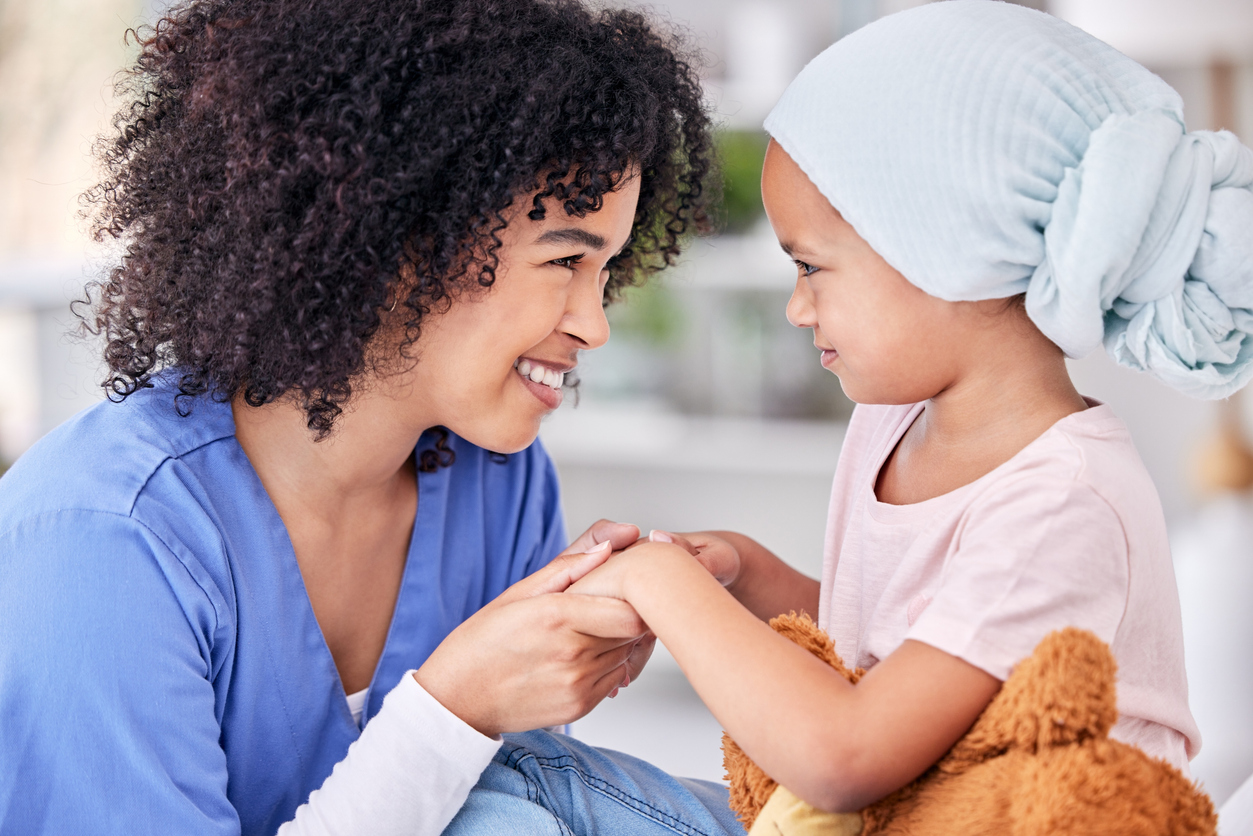
Understanding how families experience prognostic conversations is crucial. The study “We’re going to get through this together” offers a powerful window into how patients, parents and oncologists themselves understand emotional support during prognostic discussions.
The study is based in interviews with 25 patients (ages 12–25), 40 parents and 20 oncologists, all reflecting on their experiences during poor‑prognosis conversations. Four themes stood out clearly: (1) providing reliable information, (2) taking time and creating space, (3) validating emotions, and (4) preserving an appropriate level of hope.
Families in the study emphasized something simple: when the situation feels overwhelming, clarity itself becomes a form of emotional support. Parents emphasized the need for clinicians to be honest and straightforward, even when the truth is painful.
As one parent put it: “Be direct, be truthful…give the parents all the facts to make the best decisions.” (Parent, cohort 2)
Clinicians also recognized the importance of maintaining consistent availability for follow‑up communication. Some families mentioned that being able to contact the clinician afterward, via email or phone, gave them practical and emotional reassurance as they processed new information.
2. Time, space, presence
One of the most universal requests from families was simple: don’t rush us.
Parents described how devastating it felt when bad news was delivered and the clinician quickly exited the room. One said :
Oncologists agreed, acknowledging their own need to block time for a moment:
3. Emotional validation
Nearly every participant identified emotional validation as essential.
Parents noted that even small expressions of shared emotion can be incredibly meaningful.
One parent described how much it mattered to see their oncologist visibly moved:
This really shows how sensitive these moments are and why it’s essential to tailor the approach to each family’s preferences and needs.
4. Preserving realist hope
Patients and parents value the preservation of hope, even when prognosis is poor. Hope was not synonymous with cure for these families but may reflect achievable goals, such as symptom control, going to school, be with their friends, etc. A parent captured this beautifully:
This underscores the importance of balancing realism with empathy when supporting families between visits.
What this means for our practice
This study shows that emotional support isn’t an add‑on, especially when the prognosis is poor. Families expect presence, clarity, honesty, empathy and a bit more time than the system usually allows.
And for clinicians, offering this doesn’t require new tools or treatments: sometimes, it simply means saying, sincerely: “We’re going to get through this together.”
Read next: Pediatric leukemia: what if everything happens at the cell surface?
About the Author – Carolina Lima
Anaesthesiology specialist Carolina is a specialist in Anaesthesiology with a deep passion for learning and sharing medical knowledge. Dedicated to advancing the field, Dr. Lima strives to bring fresh, evidence-based insights to the medical community. Viewing medicine not merely as a profession but as a lifelong journey of continuous learning, Dr. Lima is committed to making complex information clear, practical, and useful for healthcare professionals around the world.
As HCPs, most of us will, at some point in our careers, encounter families facing one of the most devastating situations imaginable: an advanced childhood cancer diagnosis.
Understanding how families experience prognostic conversations is crucial. The study “We’re going to get through this together” offers a powerful window into how patients, parents and oncologists themselves understand emotional support during prognostic discussions.
The study is based in interviews with 25 patients (ages 12–25), 40 parents and 20 oncologists, all reflecting on their experiences during poor‑prognosis conversations. Four themes stood out clearly: (1) providing reliable information, (2) taking time and creating space, (3) validating emotions, and (4) preserving an appropriate level of hope.
1. Reliable Information
Families in the study emphasized something simple: when the situation feels overwhelming, clarity itself becomes a form of emotional support. Parents emphasized the need for clinicians to be honest and straightforward, even when the truth is painful.
As one parent put it: “Be direct, be truthful…give the parents all the facts to make the best decisions.” (Parent, cohort 2)
Clinicians also recognized the importance of maintaining consistent availability for follow‑up communication. Some families mentioned that being able to contact the clinician afterward, via email or phone, gave them practical and emotional reassurance as they processed new information.
2. Time, space, presence
One of the most universal requests from families was simple: don’t rush us.
Parents described how devastating it felt when bad news was delivered and the clinician quickly exited the room. One said :
- “Don’t give me bad news and run out…sit with me until we can get things together.” (Parent, cohort 3)
Oncologists agreed, acknowledging their own need to block time for a moment:
- “When I sit down, I expect to have a significant amount of time uninterrupted.” (Oncologist 5)
3. Emotional validation
Nearly every participant identified emotional validation as essential.
Parents noted that even small expressions of shared emotion can be incredibly meaningful.
One parent described how much it mattered to see their oncologist visibly moved:
- “It gave us comfort, knowing he felt what we felt.” (Parent, cohort 3)
This really shows how sensitive these moments are and why it’s essential to tailor the approach to each family’s preferences and needs.
4. Preserving realist hope
Patients and parents value the preservation of hope, even when prognosis is poor. Hope was not synonymous with cure for these families but may reflect achievable goals, such as symptom control, going to school, be with their friends, etc. A parent captured this beautifully:
- “If it’s a 1% chance, my daughter is the 1%, and you better treat her like the 1%.” (Parent, cohort 4)
This underscores the importance of balancing realism with empathy when supporting families between visits.
What this means for our practice
This study shows that emotional support isn’t an add‑on, especially when the prognosis is poor. Families expect presence, clarity, honesty, empathy and a bit more time than the system usually allows.
And for clinicians, offering this doesn’t require new tools or treatments: sometimes, it simply means saying, sincerely: “We’re going to get through this together.”
Read next: Pediatric leukemia: what if everything happens at the cell surface?
About the Author – Carolina Lima
Anaesthesiology specialist Carolina is a specialist in Anaesthesiology with a deep passion for learning and sharing medical knowledge. Dedicated to advancing the field, Dr. Lima strives to bring fresh, evidence-based insights to the medical community. Viewing medicine not merely as a profession but as a lifelong journey of continuous learning, Dr. Lima is committed to making complex information clear, practical, and useful for healthcare professionals around the world.
Last press reviews
Does Nicotinamide Really Prevent Skin Cancer?

By Ana Espino | Published on July 01, 2026 | 4 min read<br><br><br>
Exercising in Extreme Heat: How Can Performance Be Preserved While Reducing Health Risks?
By Ana Espino | Published on June 29, 2026 | 4 min read<br><br><br>
Oropouche Virus: A New Threat to Monitor During Pregnancy?

By Ana Espino | Published on June 26, 2026 | 4 min read<br><br>