2026-04-10
Vitamin D and the microbiome: toward immune reprogramming in ibd
Gastroenterology and Hepatology
By Elodie Vaz | Published on April 10, 2026 | 3 min read
Inflammatory bowel diseases (IBD), including Crohn’s disease and ulcerative colitis, affect millions of patients worldwide. These conditions are characterized by chronic inflammation of the gastrointestinal tract, partly driven by an inappropriate immune response directed against normally tolerated intestinal bacteria.
This loss of immune tolerance reflects a disruption in host–microbiome interactions. While current treatments mainly target inflammation, the mechanisms required to restore a balanced dialogue between the immune system and the gut microbiota remain poorly understood.
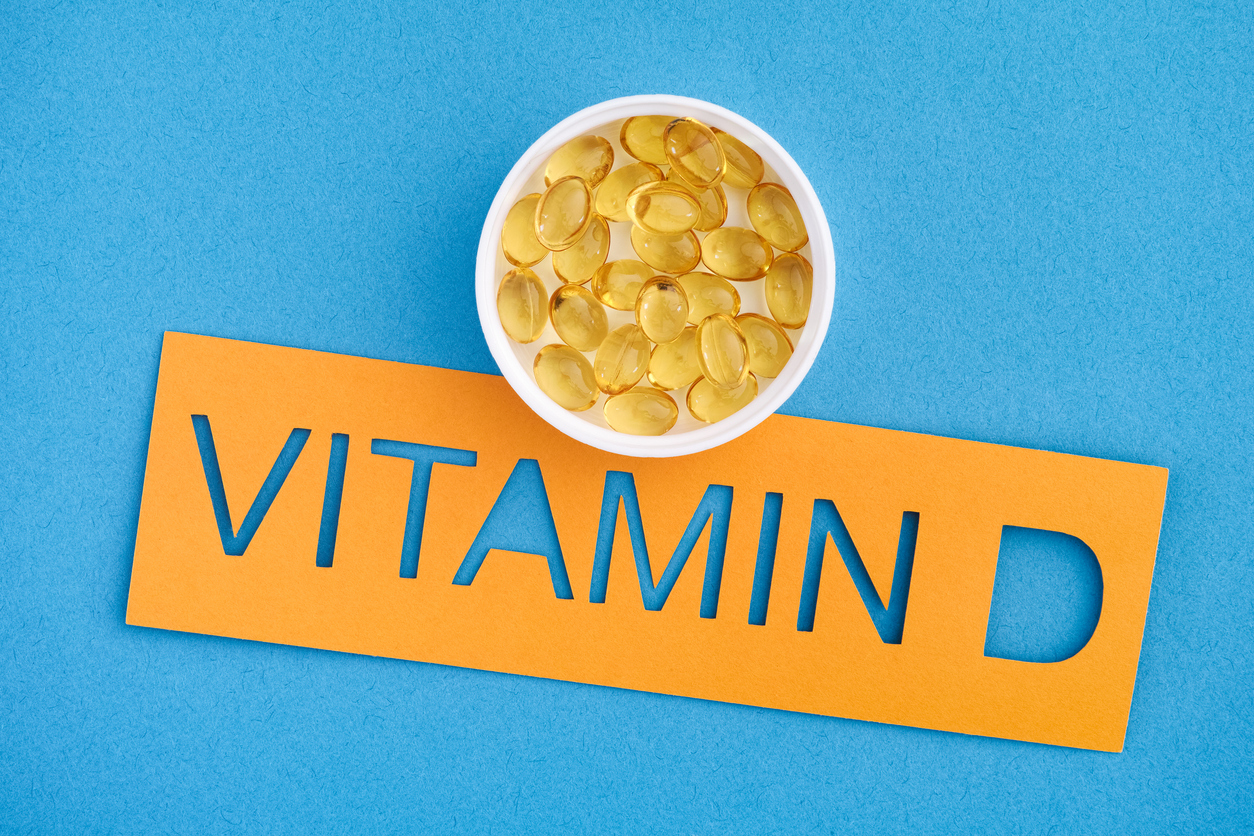
In this context, a study conducted by the Mayo Clinic and published on March 26 in Cell Reports Medicine investigated the potential role of vitamin D in regulating these interactions.
The objective was to assess whether vitamin D supplementation could alter how the immune system recognizes and responds to intestinal bacteria in patients with IBD.
“This study suggests that vitamin D may help rebalance how the immune system perceives intestinal bacteria,” explained Professor John Mark Gubatan, gastroenterologist and lead author, in a press release. “This is an important step toward understanding how we might restore immune tolerance in inflammatory bowel diseases.”
The study included 48 patients with IBD who had insufficient vitamin D levels. Participants received weekly supplementation for 12 weeks.
Blood and stool samples were collected before and after the intervention. Researchers used advanced sequencing techniques to precisely map interactions between immune responses and the composition of the gut microbiome.
This integrated approach aimed to link immunological changes with shifts in the intestinal microbial environment.
The results showed that vitamin D supplementation was associated with significant modulation of immune markers. Researchers observed an increase in immunoglobulin A (IgA), linked to protective immune responses, and a decrease in immunoglobulin G (IgG), often associated with inflammation.
At the same time, changes in immune signaling pathways were identified, along with increased activity of regulatory immune cells, known for their role in controlling inflammation.
These findings suggest a shift toward a more tolerant immune profile with respect to the gut microbiota. Consistent with these observations, improvements in disease activity scores and in a fecal inflammatory marker were also reported.
However, the authors remain cautious in interpreting the results. “We observed encouraging signals, but this was not a randomized trial,” noted John Mark Gubatan. “These findings need to be confirmed in larger controlled studies.”
These findings provide new insight into the role of vitamin D as a modulator of interactions between the immune system and the gut microbiome. By promoting a more balanced immune response, this approach could help restore immune tolerance—one of the central goals in IBD management.
Nevertheless, clinical use of supplementation should remain carefully supervised. “Vitamin D is widely available, but dosing must be individualized, particularly in patients with chronic inflammation,” emphasized John Mark Gubatan. “Patients should work closely with their healthcare team.”
Beyond these preliminary results, confirmation through randomized trials will be crucial to determine the true impact of this strategy on IBD progression. More broadly, this study paves the way for therapeutic approaches aimed at finely modulating immune–microbiome interactions—an area of research that is rapidly expanding in chronic inflammatory diseases.
About the Author – Elodie Vaz
Health journalist, CFPJ graduate (2023).
Élodie explores the marks diseases leave on bodies and, more broadly, on human life. A registered nurse since 2010, she spent twelve years at patients’ bedsides before exchanging her stethoscope for a notebook. She now investigates the links between environment and health, convinced that the vitality of life cannot be reduced to that of humans alone.
Inflammatory bowel diseases (IBD), including Crohn’s disease and ulcerative colitis, affect millions of patients worldwide. These conditions are characterized by chronic inflammation of the gastrointestinal tract, partly driven by an inappropriate immune response directed against normally tolerated intestinal bacteria.
This loss of immune tolerance reflects a disruption in host–microbiome interactions. While current treatments mainly target inflammation, the mechanisms required to restore a balanced dialogue between the immune system and the gut microbiota remain poorly understood.
Exploring the immunomodulatory role of vitamin D
In this context, a study conducted by the Mayo Clinic and published on March 26 in Cell Reports Medicine investigated the potential role of vitamin D in regulating these interactions.
The objective was to assess whether vitamin D supplementation could alter how the immune system recognizes and responds to intestinal bacteria in patients with IBD.
“This study suggests that vitamin D may help rebalance how the immune system perceives intestinal bacteria,” explained Professor John Mark Gubatan, gastroenterologist and lead author, in a press release. “This is an important step toward understanding how we might restore immune tolerance in inflammatory bowel diseases.”
An integrated analysis of immune responses and the microbiome
The study included 48 patients with IBD who had insufficient vitamin D levels. Participants received weekly supplementation for 12 weeks.
Blood and stool samples were collected before and after the intervention. Researchers used advanced sequencing techniques to precisely map interactions between immune responses and the composition of the gut microbiome.
This integrated approach aimed to link immunological changes with shifts in the intestinal microbial environment.
Toward a more protective immune response
The results showed that vitamin D supplementation was associated with significant modulation of immune markers. Researchers observed an increase in immunoglobulin A (IgA), linked to protective immune responses, and a decrease in immunoglobulin G (IgG), often associated with inflammation.
At the same time, changes in immune signaling pathways were identified, along with increased activity of regulatory immune cells, known for their role in controlling inflammation.
These findings suggest a shift toward a more tolerant immune profile with respect to the gut microbiota. Consistent with these observations, improvements in disease activity scores and in a fecal inflammatory marker were also reported.
However, the authors remain cautious in interpreting the results. “We observed encouraging signals, but this was not a randomized trial,” noted John Mark Gubatan. “These findings need to be confirmed in larger controlled studies.”
A therapeutic avenue to be confirmed
These findings provide new insight into the role of vitamin D as a modulator of interactions between the immune system and the gut microbiome. By promoting a more balanced immune response, this approach could help restore immune tolerance—one of the central goals in IBD management.
Nevertheless, clinical use of supplementation should remain carefully supervised. “Vitamin D is widely available, but dosing must be individualized, particularly in patients with chronic inflammation,” emphasized John Mark Gubatan. “Patients should work closely with their healthcare team.”
Beyond these preliminary results, confirmation through randomized trials will be crucial to determine the true impact of this strategy on IBD progression. More broadly, this study paves the way for therapeutic approaches aimed at finely modulating immune–microbiome interactions—an area of research that is rapidly expanding in chronic inflammatory diseases.
Read next: ADHD and the gut: an inflammatory duo?
About the Author – Elodie Vaz
Health journalist, CFPJ graduate (2023).
Élodie explores the marks diseases leave on bodies and, more broadly, on human life. A registered nurse since 2010, she spent twelve years at patients’ bedsides before exchanging her stethoscope for a notebook. She now investigates the links between environment and health, convinced that the vitality of life cannot be reduced to that of humans alone.
Last press reviews
Does Nicotinamide Really Prevent Skin Cancer?

By Ana Espino | Published on July 01, 2026 | 4 min read<br><br><br>
Exercising in Extreme Heat: How Can Performance Be Preserved While Reducing Health Risks?

By Ana Espino | Published on June 29, 2026 | 4 min read<br><br><br>
Oropouche Virus: A New Threat to Monitor During Pregnancy?

By Ana Espino | Published on June 26, 2026 | 4 min read<br><br>