#InfectiousDiseases #Hepatitis #HepatitisB #Immunity #Immunotherapy #Virus
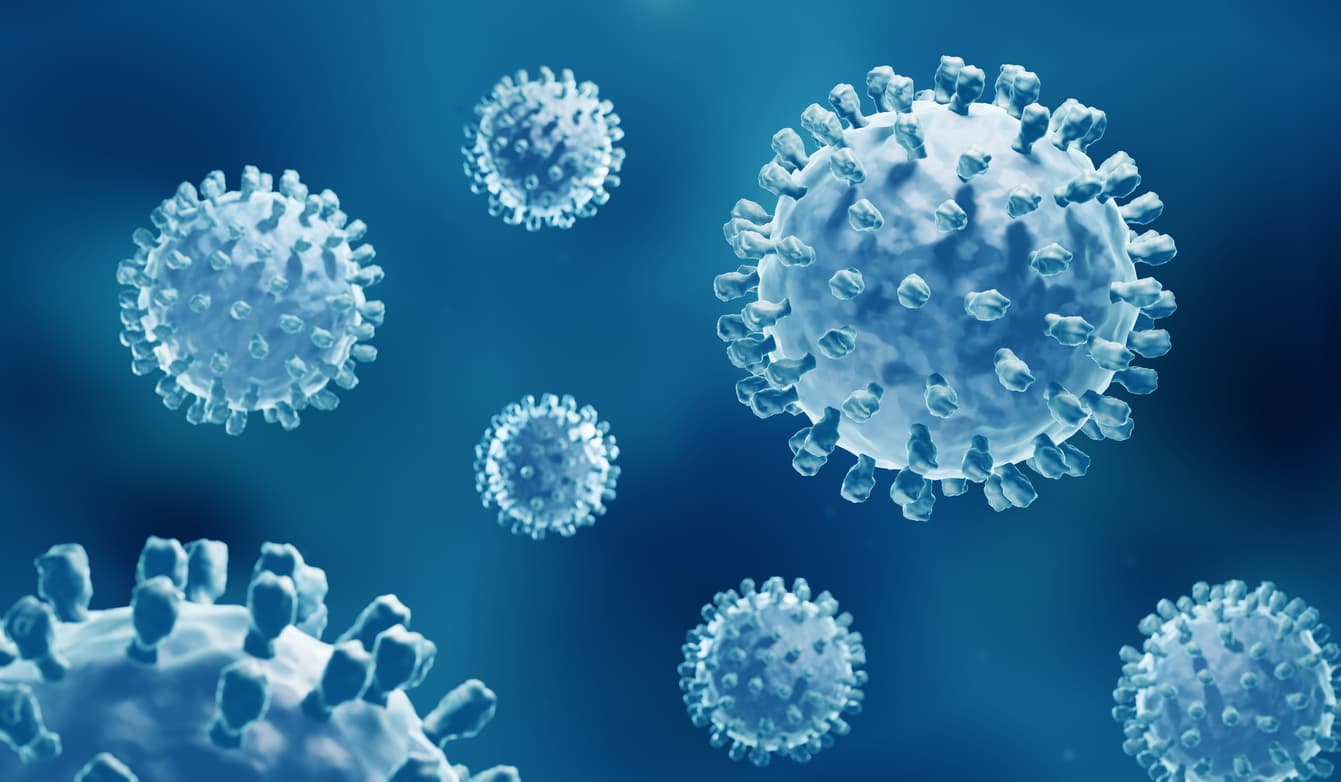
Chronic hepatitis B (HBV) is a persistent viral infection affecting more
than 300 million people worldwide. Despite therapeutic advancements, achieving
functional cure remains a challenging goal, as current treatments only control
viral replication without completely eradicating the infection. One of the main
obstacles to this cure is the
hepatitis B surface antigen (HBsAg), a protein
produced in large quantities by infected cells. Studies suggest that this
antigen plays a key role in
viral evasion by
disrupting the immune response,
although the precise mechanisms involved remain unclear.
This study examines the
influence of HBsAg levels on anti-HBV immunity.
Specifically, it analyzes how this protein affects
gene expression and the
function of key immune cells involved in viral control:
- Natural Killer (NK) cells, essential for eliminating infected cells;
- CD8 T lymphocytes, responsible for the cytotoxic response;
- Memory B cells, involved in long-term antibody production.
The objective is to
identify
how HBsAg modulates these immune responses and explore new strategies
to enhance therapeutic approaches aimed at restoring functional immunity
against HBV.
Read next: Between Gut Microbiota and the Progression of Chronic Hepatitis B
Does HBsAg truly block immunity?
The study analyzed
18
patients with chronic hepatitis B undergoing NUC treatment. Participants were
divided into two groups based on their HBsAg levels:
- High HBsAg group: 920–12,447 IU/mL
- Low HBsAg group: 1–100 IU/mL
Gene expression in immune cells was studied using
blood samples and
liver biopsies, leveraging single-cell RNA sequencing (scRNA-seq). Researchers
analyzed
immune cell subpopulations and identified
genetic alterations
associated with different HBsAg levels.
Patients with low HBsAg levels exhibited a higher proportion of adaptive
NK cells (KLRC2+), known for their antiviral role. Conversely, these cells
were significantly less prevalent in patients with high HBsAg levels.
Additionally, CD8 T lymphocytes (KLRG1+) from patients with low HBsAg levels
showed enhanced activation, suggesting a more effective immune response.
In the liver, high HBsAg levels were linked to moderate activation of
memory B cells but did not cause notable immune suppression.
These findings support the hypothesis that HBsAg directly influences
the immune response and may act as a barrier to viral clearance. This study
provides new insights into the impact of HBsAg and paves the way for strategies
aimed at restoring effective immunity against HBV.
Rethinking Strategies Against Hepatitis B
HBV remains a persistent viral infection affecting over 300 million
people worldwide. Despite therapeutic advancements, current treatments only
control viral replication without achieving complete viral eradication. One of
the biggest challenges remains immune evasion orchestrated by the virus,
largely attributed to the HBsAg antigen. This antigen is suspected of altering
the immune response, limiting the effectiveness of existing antiviral
strategies.
Current therapeutic approaches aiming to eliminate HBsAg are based on
the assumption that it induces generalized immunosuppression. However,
the precise mechanisms of this immune modulation remain poorly understood. This
study sought to analyze how different levels of HBsAg influence gene expression
in immune cells responsible for viral control.
The findings suggest that the immunomodulatory effect of HBsAg is
highly targeted. Rather than causing global immunosuppression, it
selectively affects certain immune subpopulations. Notably, low HBsAg levels
are associated with enhanced activation of adaptive NK cells and CD8 T
lymphocytes, potentially leading to a more effective immune response
against the virus.
This study, conducted on a limited sample size, requires validation in
larger cohorts. Furthermore, it does not evaluate the clinical impact of the
observed immune alterations, limiting the long-term interpretation of the
results. These discoveries challenge the notion that simply reducing HBsAg
levels would be sufficient to restore antiviral immunity. Future research
should combine HBsAg elimination with immunomodulatory approaches to
strengthen immune responses and explore new therapeutic targets for achieving functional
HBV cure.
Read next: A New Diagnostic and Prognostic Test for Acute Liver Failure in Chronic Hepatitis B