#Parkinson #Microbiota #Dysbiosis
#Neurogastroenterology #GutHealth #Neuroinflammation
Parkinson’s disease (PD) is a progressive
neurodegenerative disorder that affects approximately 1% of people over the age
of 60. It manifests with
motor symptoms such as resting tremors, muscle
rigidity, bradykinesia (slowness of movement), and postural instability.
However,
non-motor symptoms such as constipation, sleep disturbances, mood
changes, and cognitive issues suggest that more than just the central nervous
system is involved. These observations have led to the hypothesis that
Parkinson’s may
originate in the gut.
In light of growing interest in this theory,
numerous studies have investigated the
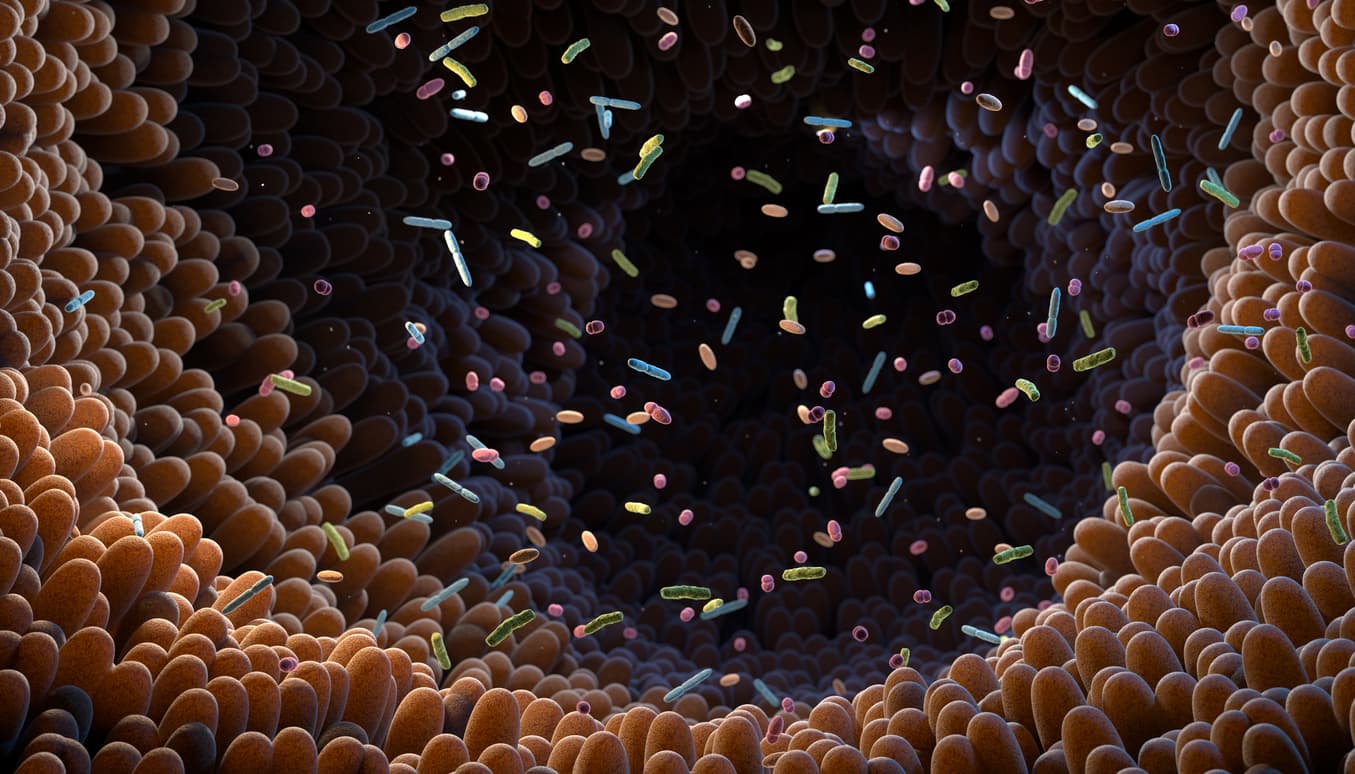
relationship between the gut microbiota
and Parkinson’s disease. The microbiota plays a key role in many physiological
functions, including immune regulation, neurotransmitter production, intestinal
permeability, and the synthesis of neuroprotective metabolites such as
short-chain fatty acids (SCFAs) and
polyamines. In Parkinson’s disease,
alterations in microbiota composition could contribute to intestinal
inflammation, increased epithelial barrier permeability, and the onset or
progression of neurodegeneration. However, current results vary widely
depending on the populations studied. This heterogeneity is attributed to
geographic, dietary, genetic, and methodological factors, making it difficult
to identify consistent and reproducible microbial signatures worldwide.
In this context, the present study was launched
to
shed light on the role of the gut microbiota in the pathogenesis of
Parkinson’s disease and to
identify targeted therapeutic avenues based on
internationally shared microbial alterations.
The microbiota: a silent accomplice in
Parkinson’s?
In this study, fecal samples from Parkinson’s
patients were compared with those of healthy controls. Shotgun metagenomic
sequencing was used to characterize the bacterial and functional composition of
the gut microbiota. Fecal concentrations of SCFAs and polyamines—two key
metabolite families in gut and brain health—were also analyzed.
The analysis revealed
significantly higher
α-diversity in the microbiota of Parkinson’s patients, indicating greater
richness and more even distribution of bacterial species. This increase in
diversity suggests a profound reorganization of the gut microbiota in PD.
From a taxonomic perspective, notable changes
were observed. Akkermansia muciniphila, a mucin-degrading bacterium, was
significantly more abundant in patients, while Roseburia intestinalis
and Faecalibacterium prausnitzii—both known butyrate producers—were
markedly reduced. These findings point to dysbiosis characterized by a
reduction in beneficial bacteria and a potential compromise of the intestinal
mucosal barrier.
Functionally, there was a
marked reduction in
bacterial genes involved in the biosynthesis of riboflavin (vitamin B2) and
biotin (vitamin B7). Additionally, five out of the six major families of
carbohydrate-active enzymes responsible for dietary polysaccharide degradation
were significantly reduced, suggesting an
overall weakening of bacterial fiber
metabolism.
Metabolically,
fecal levels of SCFAs were
clearly reduced in patients, as were levels of the polyamines putrescine,
spermidine, and spermine. These molecules are essential for maintaining
epithelial integrity, immune modulation, and neuroprotection.
Lastly, positive correlations were found
between the abundance of bacterial genes for riboflavin and biotin biosynthesis
and fecal levels of SCFAs and polyamines. This link suggests a
shared metabolic
signature characterized by functional loss of the microbiota in PD, directly
connecting microbial deficits to biochemical alterations that may impact
neuroinflammation and disease progression.
Read next: MoCA boosted, brain relieved!
A bacterial trail worth following?
Parkinson’s disease is a complex
neurodegenerative condition, and the role of the gut microbiota in its
progression is increasingly acknowledged. One of the major challenges lies in
the
significant geographic variability of microbial composition and the
heterogeneity
of bacterial species responsible for functional alterations, complicating the
identification of common targets. This study aimed to identify
shared
functional microbial alterations associated with disease-specific intestinal
metabolic imbalances.
The results highlight a
characteristic
dysbiosis associated with
reduced biosynthesis of riboflavin and biotin, along
with
decreased fecal SCFAs and polyamines—compounds essential for maintaining
gut integrity and neuroimmune regulation. These findings suggest an active role
of the microbiota in amplifying pathological processes in both the gut and the
nervous system in Parkinson’s.
The data offer
promising therapeutic
perspectives. Supplementation with riboflavin and biotin could represent a
targeted strategy to compensate for the functional deficits of the microbiota.
Moreover,
strengthening the intestinal barrier by modulating the microbiota may
help slow the spread of α-synuclein aggregates and limit neurogenic
inflammation—two central mechanisms in the progression of Parkinson’s disease.
Read next: Can VR tip the balance?