
Press review
The essentials of recent medical publications, unpacked by our newsroom into a clear, sourced digest, specialty by specialty.
 Pharmacology and Toxicology
Breathing can kill—even without smoking.
#Nicotine #SecondhandSmoke #LungCancer #Prevention Lung cancer remains one of the leading causes of cancer-related deaths worldwide, accounting for over one in five cancer deaths. While active smoking is the dominant risk factor, an increasing proportion of cases are being observed among non-smokers, challenging the assumption that only tobacco users are at high risk. Among other suspected sources
 Pharmacology and Toxicology
Smoke less, think better?
#Nicotine #Tobacco #NAC #MET #Neuroplasticity #SmokingCessation Nicotine addiction is now recognized as a chronic behavioral disorder with both psychological and neurobiological underpinnings. It is driven by powerful positive reinforcement, orchestrated by complex neurochemical cascades primarily involving the dopaminergic and glutamatergic systems. Nicotine stimulates dopamine release in the nuc
 Neurology
Progressive MS: could the placenta pave the way?
#MultipleSclerosis #MS #CellTherapy #Immunomodulation #Cytokines #Neuroinflammation Multiple sclerosis (MS) is a chronic, progressive autoimmune disease of the central nervous system, primarily affecting young adults. It is characterized by persistent inflammation, demyelination of nerve fibers, and progressive axonal degeneration, which lead to a wide range of neurological symptoms. While relapsi
 Allergology and Immunology
When the gut challenges MS
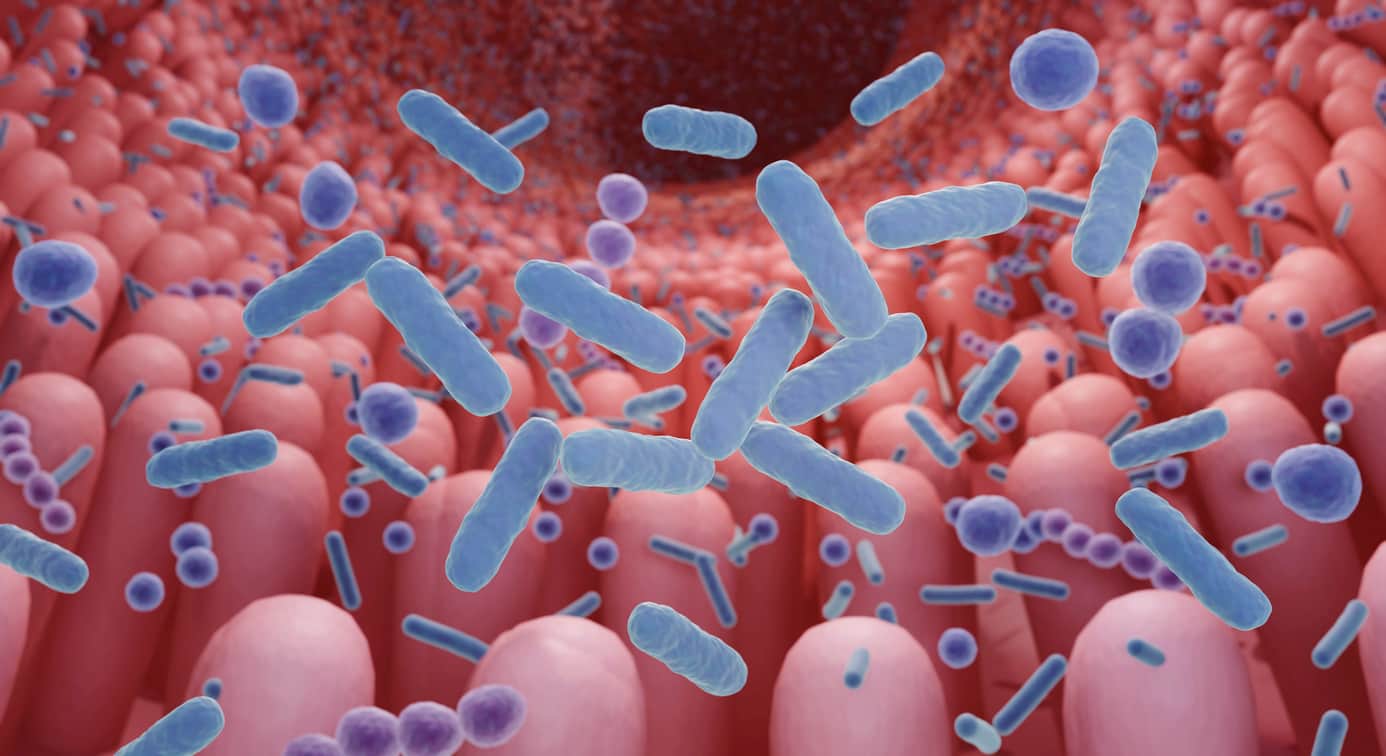
#MultipleSclerosis #Microbiota #Immunity #Probiotics Multiple sclerosis (MS) is an autoimmune neurological disorder characterized by chronic inflammation of the central nervous system (CNS) and the progressive destruction of the myelin sheath surrounding nerve fibers. This demyelination hinders the conduction of nerve impulses, leading to motor, sensory, cognitive, and visual impairments. While th
 Endocrinology and Metabolism
Hormones: should we really fear fat?
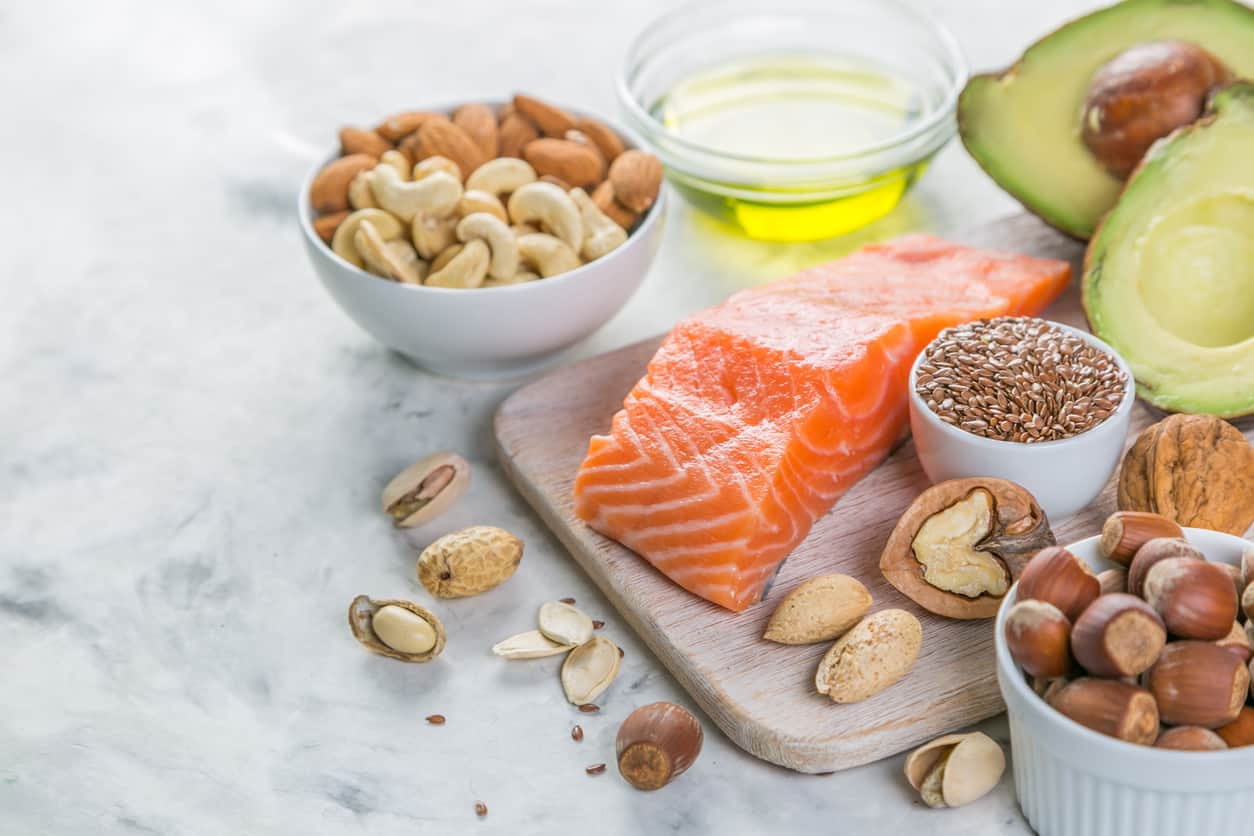
#Hormones #Nutrition #Endocrinology #SHBG Sex hormones, such as testosterone, estradiol, and SHBG (Sex Hormone-Binding Globulin), are steroid compounds derived from cholesterol, primarily produced by the gonads. While they are historically associated with reproduction, sexual development, and secondary sexual characteristics, their function goes far beyond these roles. These hormones are involved
 Cardiology and Vascular Medicine
Cardiovascular diseases: the leading cause of death among women in France
#Women #WomenHealth #Cardiology #Mortality #CardiovascularDisease Every day, around 200 women in France die from a cardiovascular disease (CVD)—that's one every 7 minutes. Contrary to popular belief, these conditions do not affect only men. They are the leading cause of death among women, surpassing all types of cancer, including breast cancer. Yet 8 out of 10 deaths could be prevented through bet
 Endocrinology and Metabolism
PCOS: Is homocysteine the hidden fertility marker?
#PCOS #Fertility #Homocysteine #Oocyte #Micronutrients #IVF #Methylation Polycystic ovary syndrome (PCOS) is a complex endocrine disorder that affects approximately 20% of women of reproductive age. It is characterized by chronic hormonal imbalance, persistent anovulation, and polycystic ovarian morphology on ultrasound. Beyond its clinical manifestations, PCOS is currently one of the leading caus
 Gastroenterology and Hepatology
Parkinson’s disease: could it all start in the gut?
#Parkinson #Microbiota #Dysbiosis #Neurogastroenterology #GutHealth #Neuroinflammation Parkinson’s disease (PD) is a progressive neurodegenerative disorder that affects approximately 1% of people over the age of 60. It manifests with motor symptoms such as resting tremors, muscle rigidity, bradykinesia (slowness of movement), and postural instability. However, non-motor symptoms such as constipati
 Gastroenterology and Hepatology
Crohn’s Disease: targeting map for better treatment?
#CrohnsDisease #CD #MAP #vaccine #vaccination Crohn’s disease (CD) is a chronic inflammatory condition of the gastrointestinal tract, marked by persistent intestinal inflammation. Its etiology remains poorly understood, resulting from a complex interplay between genetic predisposition, environmental factors, immune dysregulation, and alterations of the gut microbiota. Despite therapeutic advances,
 Gastroenterology and Hepatology
UC under pressure, relief in sight?
#UlcerativeColitis #UC #IBD #Acupuncture #TSA Ulcerative colitis (UC) is a chronic inflammatory disease of the colon, characterized by continuous inflammation of the colonic mucosa, leading to rectal bleeding, chronic diarrhea, abdominal pain, and fecal urgency. The disease typically follows a relapsing-remitting course, significantly impairing patients’ quality of life and daily functioning. Desp
 Gastroenterology and Hepatology
Targeting IL-23 – a winning bet?
#UlcerativeColitis #Mirikizumab #UC #IL23 #Immunotherapy #Gastroenterology Ulcerative colitis (UC) is a chronic inflammatory bowel disease characterized by continuous inflammation of the recto-colonic mucosa, leading to debilitating symptoms such as abdominal pain, rectal bleeding, chronic diarrhea, and impaired quality of life. Although many therapeutic options have emerged over the past two deca
 Gastroenterology and Hepatology
Intestine–pancreas: a confirmed connection
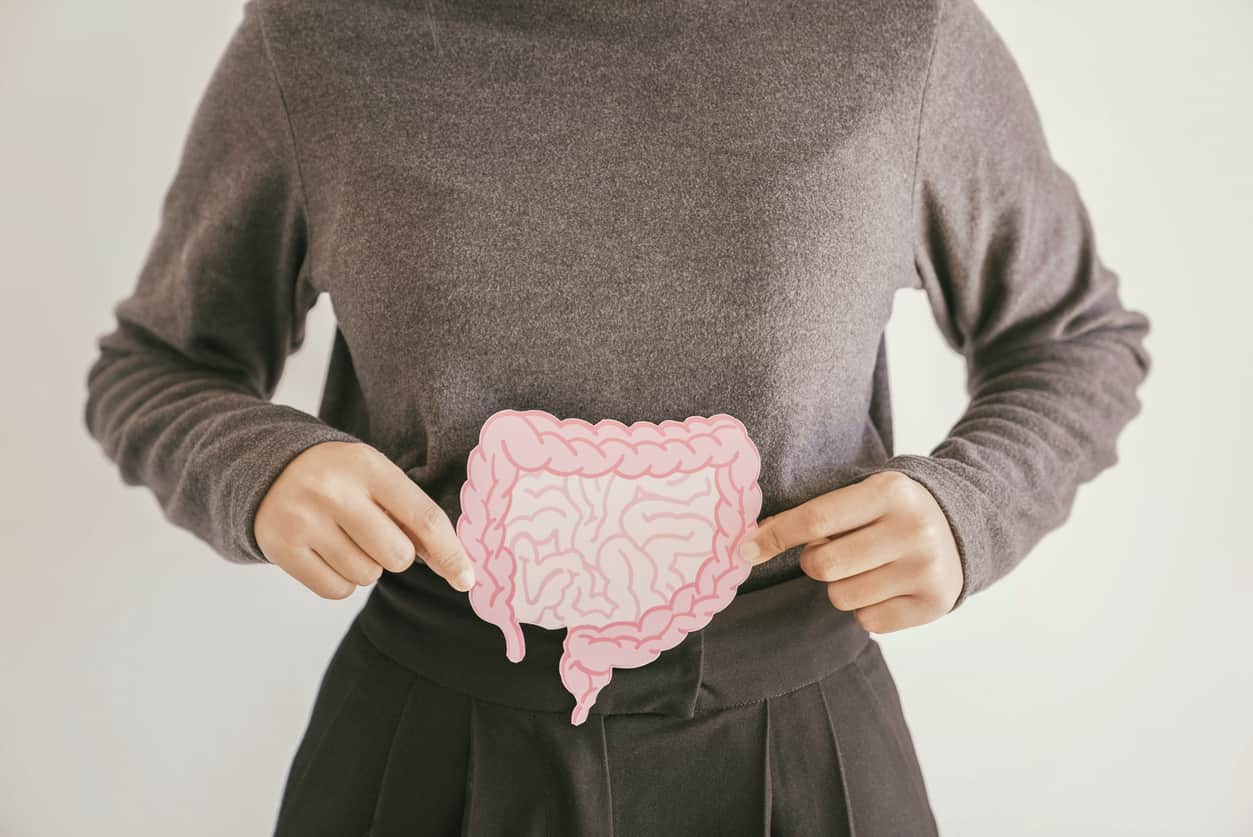
#IBD #Pancreatitis #UlcerativeColitis #CrohnsDisease Chronic inflammatory bowel diseases (IBD), which include ulcerative colitis (UC) and Crohn’s disease (CD), are autoimmune conditions marked by persistent intestinal inflammation with often unpredictable progression. Beyond digestive symptoms, they are known for their systemic nature, frequently causing extraintestinal manifestations that affect