2026-06-11
Cadmium: An Environmental Pollutant Threatening Liver Health
Urology-nephrology
By Ana Espino | Published on June 11, 2026 | 4 min read
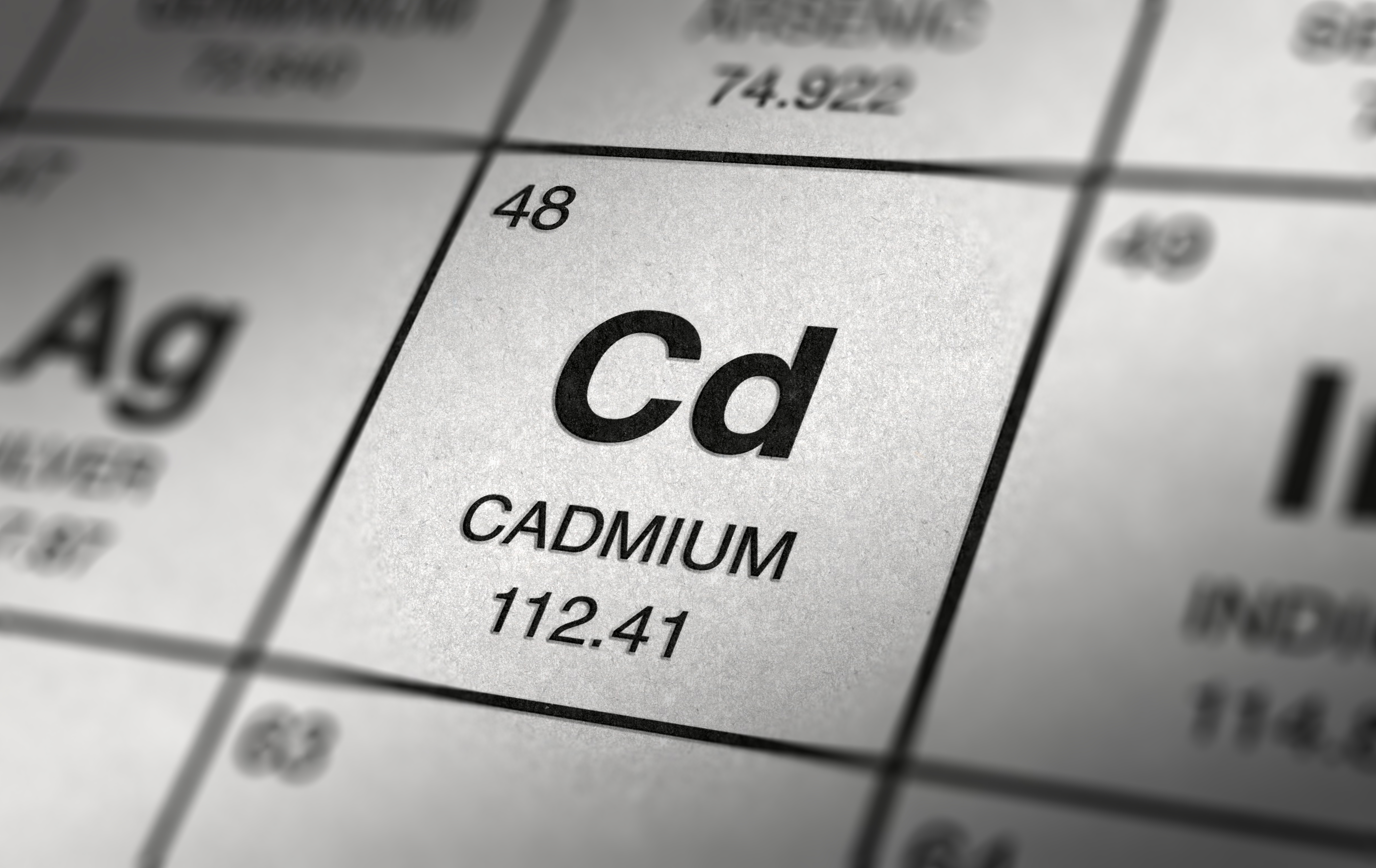
Present in the environment as a result of industrial activities, certain agricultural fertilizers, and tobacco smoke, cadmium is a heavy metal of significant concern for human health. A recent review published in iScience examines the mechanisms through which this contaminant disrupts hepatic lipid metabolism and may contribute to the development of metabolic liver diseases.
Also read: Pesticides: Securing Fields, Saving Health!
Cadmium enters the body primarily through contaminated food and the inhalation of polluted particles. Its exceptionally long biological half-life, estimated at 10 to 30 years, promotes its gradual accumulation in several organs, particularly the liver and kidneys. Once stored within hepatocytes, cadmium disrupts cellular function and contributes to the development of chronic tissue damage.
The authors show that cadmium alters the delicate balance between the synthesis, storage, and breakdown of hepatic lipids. Exposure to the metal promotes the production of triglycerides while reducing their clearance, leading to an abnormal accumulation of fat within the liver. This process is associated with the activation of genes involved in lipogenesis, including SREBP-1c and fatty acid synthase (FAS), as well as the inhibition of pathways responsible for fatty acid oxidation.
Cadmium markedly increases the production of reactive oxygen species (ROS) while weakening the body's natural antioxidant defense systems. This imbalance promotes oxidative stress, mitochondrial damage, and the activation of inflammatory pathways such as NF-κB. These mechanisms contribute to the progression of liver injury and the development of metabolic dysfunction-associated steatotic liver disease (MASLD).
Also read: Prebiotics alone are not enough to treat non-alcoholic fatty liver disease
The Emerging Role of the Gut Microbiota
One of the most innovative aspects of this review concerns the gut–liver axis. Cadmium impairs intestinal barrier function and alters the composition of the gut microbiota, facilitating the translocation of inflammatory molecules to the liver. This interaction may amplify the metabolic disturbances induced by cadmium and could represent a promising therapeutic target for future interventions.
Also read: Gut–microbiome dialogue: the unexpected role of epithelial cells
The authors also highlight that simultaneous exposure to cadmium and microplastics may increase the absorption and accumulation of the metal within the body. Several experimental studies have reported worsening intestinal damage, enhanced hepatic inflammation, and greater metabolic dysfunction when both contaminants are present together.
Also read: Microplastics and cardiovascular risk
Currently, no specific treatment exists for chronic cadmium toxicity. Investigational approaches include the use of antioxidants, natural compounds, epigenetic modulators, and therapies targeting the gut microbiota. However, most of the available evidence still comes from animal models, and clinical studies are needed to confirm the effectiveness of these strategies in humans.
This review highlights cadmium as an environmental factor that may contribute to the development of metabolic liver diseases. Given the persistence of this contaminant in the environment and its gradual accumulation within the body, the authors call for further research into the long-term effects of low-level chronic exposure and its interactions with other emerging pollutants such as microplastics.
About the author – Ana Espino
PhD in Immunology, specialized in Virology
As a scientific writer, Ana is passionate about bridging the gap between research and real-world impact. With expertise in immunology, virology, oncology, and clinical studies, she makes complex science clear and accessible. Her mission: to accelerate knowledge sharing and empower evidence-based decisions.
Present in the environment as a result of industrial activities, certain agricultural fertilizers, and tobacco smoke, cadmium is a heavy metal of significant concern for human health. A recent review published in iScience examines the mechanisms through which this contaminant disrupts hepatic lipid metabolism and may contribute to the development of metabolic liver diseases.
Also read: Pesticides: Securing Fields, Saving Health!
A Metal That Accumulates in the Body Over Time
Cadmium enters the body primarily through contaminated food and the inhalation of polluted particles. Its exceptionally long biological half-life, estimated at 10 to 30 years, promotes its gradual accumulation in several organs, particularly the liver and kidneys. Once stored within hepatocytes, cadmium disrupts cellular function and contributes to the development of chronic tissue damage.
A Profound Disruption of Fat Metabolism
The authors show that cadmium alters the delicate balance between the synthesis, storage, and breakdown of hepatic lipids. Exposure to the metal promotes the production of triglycerides while reducing their clearance, leading to an abnormal accumulation of fat within the liver. This process is associated with the activation of genes involved in lipogenesis, including SREBP-1c and fatty acid synthase (FAS), as well as the inhibition of pathways responsible for fatty acid oxidation.
Oxidative Stress and Inflammation: Key Drivers of Toxicity
Cadmium markedly increases the production of reactive oxygen species (ROS) while weakening the body's natural antioxidant defense systems. This imbalance promotes oxidative stress, mitochondrial damage, and the activation of inflammatory pathways such as NF-κB. These mechanisms contribute to the progression of liver injury and the development of metabolic dysfunction-associated steatotic liver disease (MASLD).
Also read: Prebiotics alone are not enough to treat non-alcoholic fatty liver disease
The Emerging Role of the Gut Microbiota
One of the most innovative aspects of this review concerns the gut–liver axis. Cadmium impairs intestinal barrier function and alters the composition of the gut microbiota, facilitating the translocation of inflammatory molecules to the liver. This interaction may amplify the metabolic disturbances induced by cadmium and could represent a promising therapeutic target for future interventions.
Also read: Gut–microbiome dialogue: the unexpected role of epithelial cells
Potentially Amplified Effects Through Microplastic Exposure
The authors also highlight that simultaneous exposure to cadmium and microplastics may increase the absorption and accumulation of the metal within the body. Several experimental studies have reported worsening intestinal damage, enhanced hepatic inflammation, and greater metabolic dysfunction when both contaminants are present together.
Also read: Microplastics and cardiovascular risk
What Are the Therapeutic Perspectives?
Currently, no specific treatment exists for chronic cadmium toxicity. Investigational approaches include the use of antioxidants, natural compounds, epigenetic modulators, and therapies targeting the gut microbiota. However, most of the available evidence still comes from animal models, and clinical studies are needed to confirm the effectiveness of these strategies in humans.
A Growing Public Health Concern
This review highlights cadmium as an environmental factor that may contribute to the development of metabolic liver diseases. Given the persistence of this contaminant in the environment and its gradual accumulation within the body, the authors call for further research into the long-term effects of low-level chronic exposure and its interactions with other emerging pollutants such as microplastics.
About the author – Ana Espino
PhD in Immunology, specialized in Virology
As a scientific writer, Ana is passionate about bridging the gap between research and real-world impact. With expertise in immunology, virology, oncology, and clinical studies, she makes complex science clear and accessible. Her mission: to accelerate knowledge sharing and empower evidence-based decisions.
Last press reviews
Does Nicotinamide Really Prevent Skin Cancer?

By Ana Espino | Published on July 01, 2026 | 4 min read<br><br><br>
Exercising in Extreme Heat: How Can Performance Be Preserved While Reducing Health Risks?

By Ana Espino | Published on June 29, 2026 | 4 min read<br><br><br>
Oropouche Virus: A New Threat to Monitor During Pregnancy?
By Ana Espino | Published on June 26, 2026 | 4 min read<br><br>