2026-05-05
Acute respiratory failure: toward improved survival in immunocompromised patients?
Allergology and Immunology
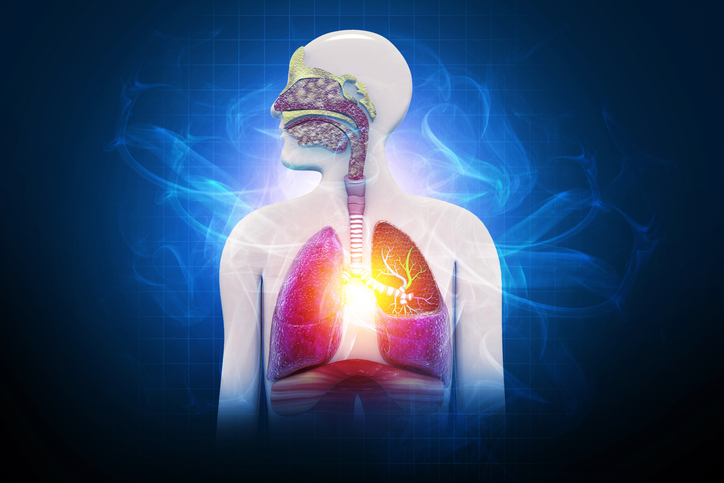
Acute respiratory failure (ARF) is currently the leading cause of ICU admission among immunocompromised patients. Whether they have hematologic or solid malignancies, have undergone transplantation, or are receiving immunosuppressive therapy, this rapidly growing population remains particularly vulnerable. Despite advances in oncology, transplantation, and critical care, ARF is still associated with high mortality, especially when invasive mechanical ventilation is required.
However, an international study coordinated by Professor Elie Azoulay (AP-HP Medical ICU), published on March 16, 2026, in The Lancet Respiratory Medicine, offers a note of hope: survival among these patients appears to be improving, particularly when ICU admission occurs early.
The primary aim of this retrospective observational study was to update epidemiological data on ARF in immunocompromised patients admitted to intensive care, and to identify predictors of mortality and intubation.
“Contemporary data on the epidemiology, management, and outcomes of acute respiratory failure in this population remain limited,” the authors noted in an AP-HP press release.
The Efraim III study included 9,854 adult immunocompromised patients admitted between 2017 and 2023 to 103 ICUs across 26 countries. About half required intubation. The most common causes of immunosuppression were hematologic malignancies (48.3%) and solid tumors (38.7%).
Infection: the leading cause of respiratory failure
The findings confirm that infection is by far the leading cause of ARF, accounting for 62% of cases, with bacterial infections predominating. However, in many cases, the exact etiology remains difficult to determine.
“A single cause is often difficult to isolate,” the investigators emphasized, highlighting the diagnostic complexity of these frequently multifactorial clinical presentations.
This diagnostic uncertainty can delay the initiation of targeted treatment and negatively impact prognosis.
Persistently high mortality, but actionable levers identified
Despite recent progress, 30-day mortality remains high at 47.3%. Several independent factors are associated with an increased risk of death: older age, delayed ICU admission, neurological impairment at presentation, and the presence of invasive fungal infection.
Conversely, the study highlights several actionable factors that could improve survival. These include an appropriate initial oxygenation strategy, thorough diagnostic and microbiological investigations, and proper use of anti-infective prophylaxis.
Early ICU admission also emerges as a key determinant. This finding reinforces previous observations showing that prompt management allows earlier implementation of non-invasive diagnostic and therapeutic strategies.
Redefining ICU care objectives
Beyond purely technical considerations, these results may help refine care goals, particularly for older patients or those with significant comorbidities. Improved risk stratification could enable better tailoring of care intensity and more informed therapeutic decision-making.
The study also reflects a shift in how immunocompromised patients are perceived in the ICU. Once considered poor candidates for intensive care, they now benefit from earlier and more individualized approaches.
Although this observational study cannot establish causality, it provides an unprecedented snapshot of global ARF management in immunocompromised patients. It paves the way for future prospective trials aimed at defining optimal oxygenation strategies, improving diagnostic pathways, and identifying patients most likely to benefit from early ICU admission.
In a context where the number of immunocompromised patients continues to grow, further improving their survival in intensive care is becoming a major public health priority.
Read next: Chagas: the parasite that outsmarts the immune system?
About the Author – Elodie Vaz
Health journalist, CFPJ graduate (2023).
Élodie explores the marks diseases leave on bodies and, more broadly, on human life. A registered nurse since 2010, she spent twelve years at patients’ bedsides before exchanging her stethoscope for a notebook. She now investigates the links between environment and health, convinced that the vitality of life cannot be reduced to that of humans.
Source(s) :
Last press reviews
Does Nicotinamide Really Prevent Skin Cancer?

By Ana Espino | Published on July 01, 2026 | 4 min read<br><br><br>
Exercising in Extreme Heat: How Can Performance Be Preserved While Reducing Health Risks?

By Ana Espino | Published on June 29, 2026 | 4 min read<br><br><br>
Oropouche Virus: A New Threat to Monitor During Pregnancy?

By Ana Espino | Published on June 26, 2026 | 4 min read<br><br>