2026-03-11
Zika: A Latent Threat or a Past Danger?
Infectiology
By Ana Espino | Published on March 11, 2026 | 3 min read
Zika virus (ZIKV), an arbovirus primarily transmitted by Aedes aegypti, caused a major epidemic in Latin America between 2015 and 2018, with more than 500,000 reported cases and an unexpected rise in congenital malformations, particularly microcephaly.
Since 2017, global incidence has declined. However, the virus remains endemic in 92 countries, with particularly high risk in Latin America and the Caribbean. Recent outbreaks in Asia in 2024 highlight the persistence of epidemic potential.
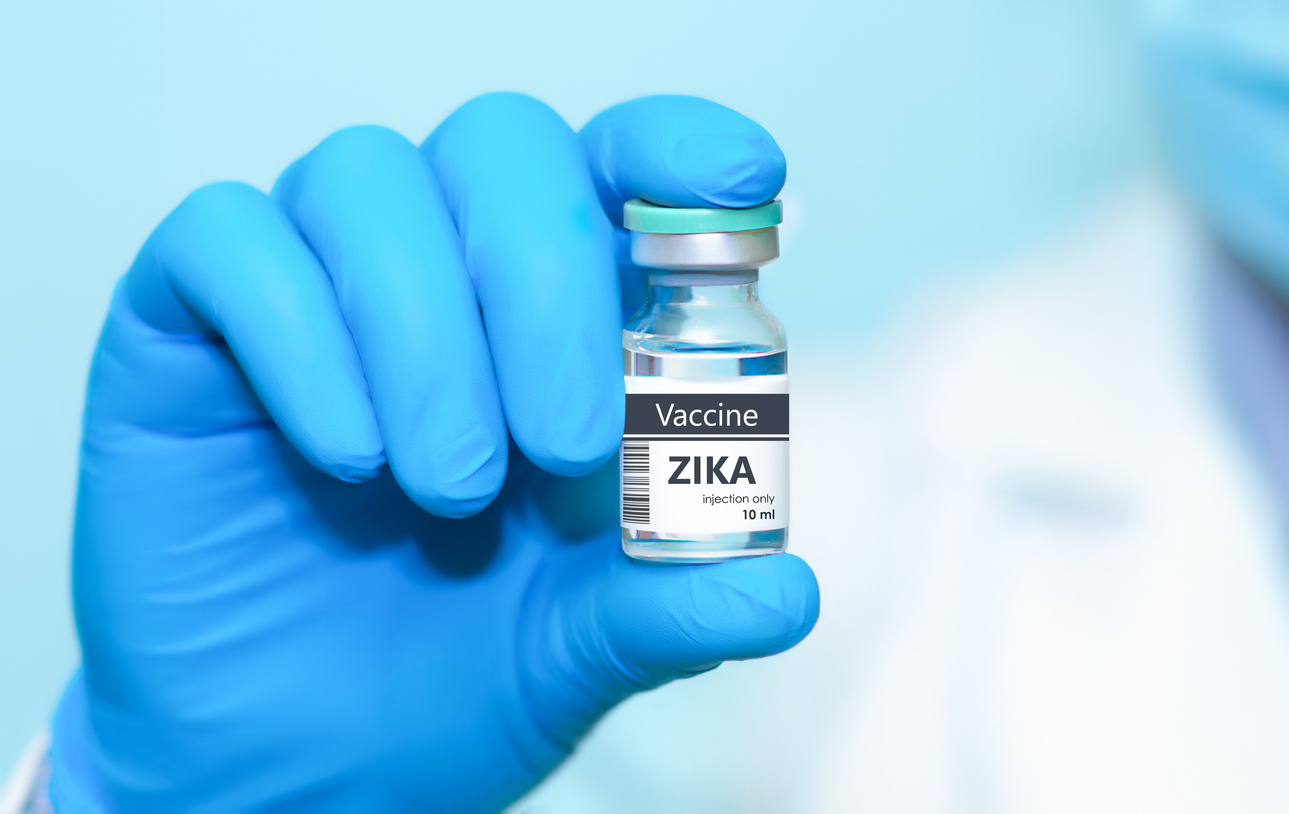
The absence of an approved vaccine or specific antiviral treatment remains a major limitation, particularly for pregnant women and immunocompromised patients. This review, published in 2025 in Current Opinion in HIV and AIDS, provides a global update on epidemiology, transmission, diagnosis, clinical manifestations, and recent preventive advances.
The authors conducted a narrative review of recent publications (2022–2024), including epidemiological data, clinical trials, and diagnostic innovations.
Global average seroprevalence is estimated at 21%, with a peak of 39% in the Americas. Among women of reproductive age, incidence peaked in 2016 at 174 per 100,000 before declining by 52% between 2016 and 2021.
Transmission closely depends on vector dynamics. Interactions between the mosquito microbiota and the virus influence vector competence. Climate change may expand the geographic distribution of vectors toward temperate regions.
Serological cross-reactivity with dengue remains a major obstacle. New multi-epitope proteins and ZIKV-specific synthetic molecules are under development to improve serological specificity. Multiplex PCR approaches and wastewater surveillance represent promising tools for early detection.
Although most infections are mild, three major complications are described: Guillain–Barré syndrome, rare immune thrombocytopenia, and, most importantly, congenital Zika syndrome.
A Brazilian meta-analysis involving 1,548 exposed pregnancies reported a microcephaly risk of 2.6% and a risk of functional neurological abnormalities of 18.7%. Mortality risk among children with congenital Zika syndrome is increased by a factor of 11.3.
No significant increase in complications has been confirmed in people living with HIV.
Several vaccine platforms are currently in phase 1 trials: inactivated vaccines, DNA vaccines, adenoviral vectors, and mRNA vaccines. The mRNA-1893 candidate has shown a robust and durable neutralizing response.
Monoclonal antibodies targeting the viral envelope protein represent a promising strategy, although the risk of antibody-dependent enhancement (ADE) in the context of cross-immunity with dengue remains a major challenge.
Regarding antivirals, only galidesivir has reached phase 1 clinical trials, with an acceptable safety profile.
About the author – Ana Espino
PhD in Immunology, specialized in Virology
As a scientific writer, Ana is passionate about bridging the gap between research and real-world impact. With expertise in immunology, virology, oncology, and clinical studies, she makes complex science clear and accessible. Her mission: to accelerate knowledge sharing and empower evidence-based decisions through impactful communication.
Zika virus (ZIKV), an arbovirus primarily transmitted by Aedes aegypti, caused a major epidemic in Latin America between 2015 and 2018, with more than 500,000 reported cases and an unexpected rise in congenital malformations, particularly microcephaly.
Since 2017, global incidence has declined. However, the virus remains endemic in 92 countries, with particularly high risk in Latin America and the Caribbean. Recent outbreaks in Asia in 2024 highlight the persistence of epidemic potential.
The absence of an approved vaccine or specific antiviral treatment remains a major limitation, particularly for pregnant women and immunocompromised patients. This review, published in 2025 in Current Opinion in HIV and AIDS, provides a global update on epidemiology, transmission, diagnosis, clinical manifestations, and recent preventive advances.
Are we truly prepared for another epidemic?
The authors conducted a narrative review of recent publications (2022–2024), including epidemiological data, clinical trials, and diagnostic innovations.
Epidemiology and transmission
Global average seroprevalence is estimated at 21%, with a peak of 39% in the Americas. Among women of reproductive age, incidence peaked in 2016 at 174 per 100,000 before declining by 52% between 2016 and 2021.
Transmission closely depends on vector dynamics. Interactions between the mosquito microbiota and the virus influence vector competence. Climate change may expand the geographic distribution of vectors toward temperate regions.
Diagnosis: a specificity challenge
Serological cross-reactivity with dengue remains a major obstacle. New multi-epitope proteins and ZIKV-specific synthetic molecules are under development to improve serological specificity. Multiplex PCR approaches and wastewater surveillance represent promising tools for early detection.
Clinical manifestations and maternal–fetal risk
Although most infections are mild, three major complications are described: Guillain–Barré syndrome, rare immune thrombocytopenia, and, most importantly, congenital Zika syndrome.
A Brazilian meta-analysis involving 1,548 exposed pregnancies reported a microcephaly risk of 2.6% and a risk of functional neurological abnormalities of 18.7%. Mortality risk among children with congenital Zika syndrome is increased by a factor of 11.3.
No significant increase in complications has been confirmed in people living with HIV.
Prevention and therapeutic perspectives
Several vaccine platforms are currently in phase 1 trials: inactivated vaccines, DNA vaccines, adenoviral vectors, and mRNA vaccines. The mRNA-1893 candidate has shown a robust and durable neutralizing response.
Monoclonal antibodies targeting the viral envelope protein represent a promising strategy, although the risk of antibody-dependent enhancement (ADE) in the context of cross-immunity with dengue remains a major challenge.
Regarding antivirals, only galidesivir has reached phase 1 clinical trials, with an acceptable safety profile.
Preventing before the next peak
Zika virus remains endemic in many
tropical regions despite the absence of a recent major epidemic. The main
challenge remains preventing congenital complications, particularly in pregnant
women.
This review aimed to update epidemiological data and evaluate progress in diagnostic and vaccine development. Significant advances have been made in improving serological testing and vaccine research, but no preventive or curative solution is yet available in routine clinical practice.
The main limitation lies in the current low circulation of the virus, which hampers the conduct of phase 3 trials.
In the long term, the implementation of global surveillance tools, improved diagnostic tests capable of distinguishing ZIKV from dengue, and the availability of effective vaccines will be critical to preventing a new epidemic wave and protecting the most vulnerable populations.
This review aimed to update epidemiological data and evaluate progress in diagnostic and vaccine development. Significant advances have been made in improving serological testing and vaccine research, but no preventive or curative solution is yet available in routine clinical practice.
The main limitation lies in the current low circulation of the virus, which hampers the conduct of phase 3 trials.
In the long term, the implementation of global surveillance tools, improved diagnostic tests capable of distinguishing ZIKV from dengue, and the availability of effective vaccines will be critical to preventing a new epidemic wave and protecting the most vulnerable populations.
About the author – Ana Espino
PhD in Immunology, specialized in Virology
As a scientific writer, Ana is passionate about bridging the gap between research and real-world impact. With expertise in immunology, virology, oncology, and clinical studies, she makes complex science clear and accessible. Her mission: to accelerate knowledge sharing and empower evidence-based decisions through impactful communication.
Last press reviews
Does Nicotinamide Really Prevent Skin Cancer?

By Ana Espino | Published on July 01, 2026 | 4 min read<br><br><br>
Exercising in Extreme Heat: How Can Performance Be Preserved While Reducing Health Risks?

By Ana Espino | Published on June 29, 2026 | 4 min read<br><br><br>
Oropouche Virus: A New Threat to Monitor During Pregnancy?

By Ana Espino | Published on June 26, 2026 | 4 min read<br><br>