
Press review
The essentials of recent medical publications, unpacked by our newsroom into a clear, sourced digest, specialty by specialty.
 Gynecology
GDM and nutrition: a culinary showdown at the top
#Diabetes #GestationalDiabetes #Pregnancy #Metabolism Gestational diabetes mellitus (GDM) is a form of glucose intolerance that first appears during pregnancy, typically in the second or third trimester. Its prevalence is steadily increasing worldwide, reaching up to 15% of pregnancies in certain regions, largely due to the parallel rise in obesity and sedentary lifestyles. Although usually tempor
 Oncology
cfDNA put to the test in lung cancer screening
#LungCancer #EarlyDetection #LiquidBiopsy #DNAMethylation #Diagnosis #LDCT Lung cancer remains the leading cause of cancer-related death worldwide. This high mortality rate is largely due to the fact that diagnosis often occurs at an advanced stage, when therapeutic options are limited and less effective. In this context, early and reliable screening is essential to improve patient outcomes. Curre
 Gastroenterology and Hepatology
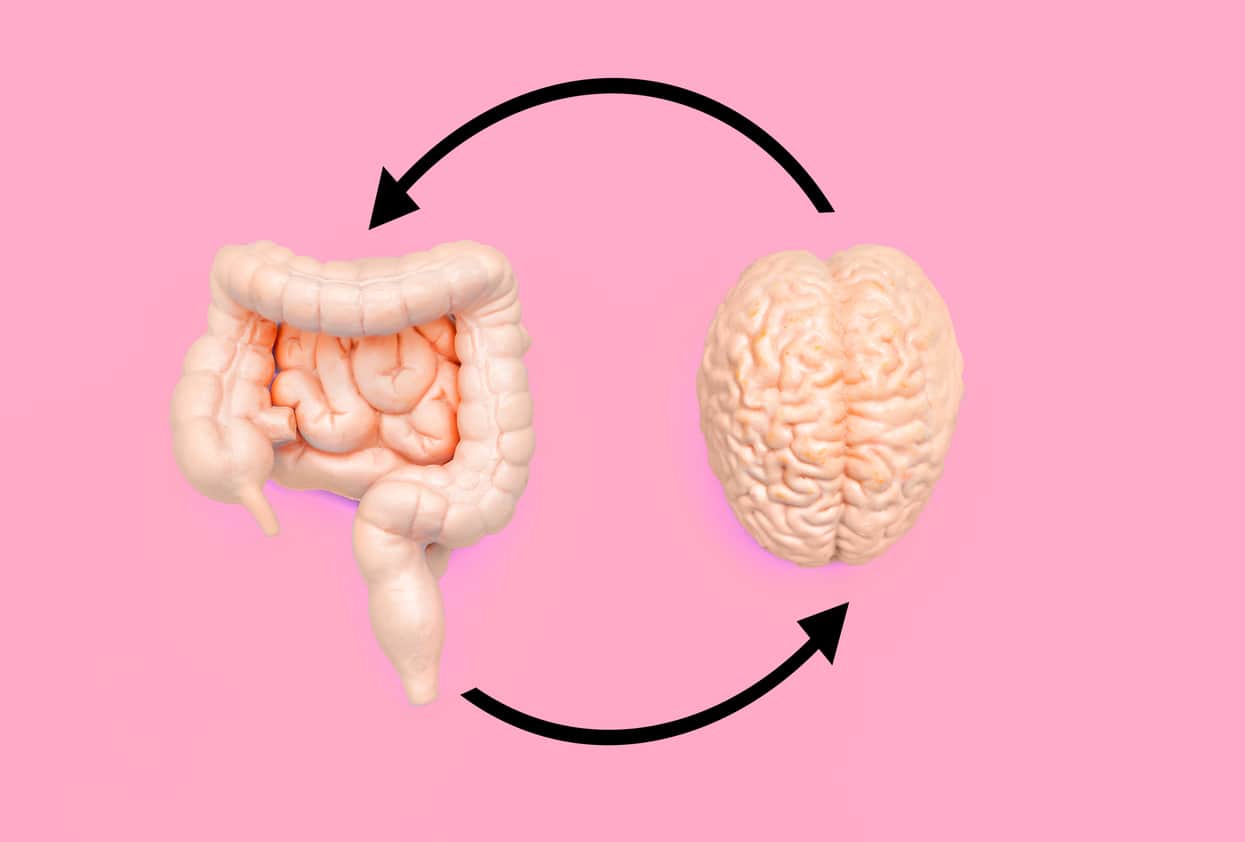
ADHD and the gut: an inflammatory duo?
#ADHD #gut #IBS #GutBrainAxis #Microbiome Attention-deficit/hyperactivity disorder (ADHD) is a chronic neurodevelopmental disorder that begins in childhood and may persist into adulthood. Affecting up to 14% of children and nearly 7% of adults, it is associated with numerous psychiatric and medical comorbidities, including gastrointestinal disorders. Digestive symptoms such as constipation and fla
 Endocrinology and Metabolism
Binge eating: when neurons crave food
#EatingDisorder #BingeEating #AnimalModels #Anxiety #Compulsivity #Metabolism #Neuroplasticity Binge eating refers to a pathological eating behavior characterized by the rapid and uncontrolled consumption of large quantities of food—most often high-calorie, sugary, and/or fatty foods. This behavior is typically accompanied by a loss of control, followed by feelings of guilt or psychological distre
 Pharmacology and Toxicology
Tobacco: a deeper addiction than it seems
#Tobacco #Nicotine #Addiction #Epigenetics #DNA Tobacco remains one of the greatest contemporary public health scourges, responsible for over 8 million deaths every year. Despite growing awareness of the dangers of smoking, nicotine addiction proves to be highly persistent. This phenomenon is partly explained by nicotine’s powerful action on the reward system. But beyond these immediate effects, r
 Endocrinology and Metabolism
Binge eating under high tension
#BED #ED #rTMS #Neuromodulation #Craving #InhibitoryControl Binge Eating Disorder (BED) is an eating disorder characterized by repeated episodes of excessive food intake in a short period of time. These episodes are associated with a loss of control and occur without compensatory behaviors (such as vomiting, restriction, etc.). BED is the most common eating disorder in the general population, part
 Neurology
One session, one trigger?
#Chatbot #ED #SingleSessionIntervention #eHealth #EatingDisorder Eating disorders (ED) are severe psychiatric conditions characterized by a persistent disturbance in eating behavior, weight regulation, and body image. They are associated with major physical complications and a profound psychosocial impact, affecting quality of life, social relationships, and mental health. The longer treatment is
 Pharmacology and Toxicology
Breathing can kill—even without smoking.
#Nicotine #SecondhandSmoke #LungCancer #Prevention Lung cancer remains one of the leading causes of cancer-related deaths worldwide, accounting for over one in five cancer deaths. While active smoking is the dominant risk factor, an increasing proportion of cases are being observed among non-smokers, challenging the assumption that only tobacco users are at high risk. Among other suspected sources
 Pharmacology and Toxicology
Smoke less, think better?
#Nicotine #Tobacco #NAC #MET #Neuroplasticity #SmokingCessation Nicotine addiction is now recognized as a chronic behavioral disorder with both psychological and neurobiological underpinnings. It is driven by powerful positive reinforcement, orchestrated by complex neurochemical cascades primarily involving the dopaminergic and glutamatergic systems. Nicotine stimulates dopamine release in the nuc
 Neurology
Progressive MS: could the placenta pave the way?
#MultipleSclerosis #MS #CellTherapy #Immunomodulation #Cytokines #Neuroinflammation Multiple sclerosis (MS) is a chronic, progressive autoimmune disease of the central nervous system, primarily affecting young adults. It is characterized by persistent inflammation, demyelination of nerve fibers, and progressive axonal degeneration, which lead to a wide range of neurological symptoms. While relapsi
 Allergology and Immunology
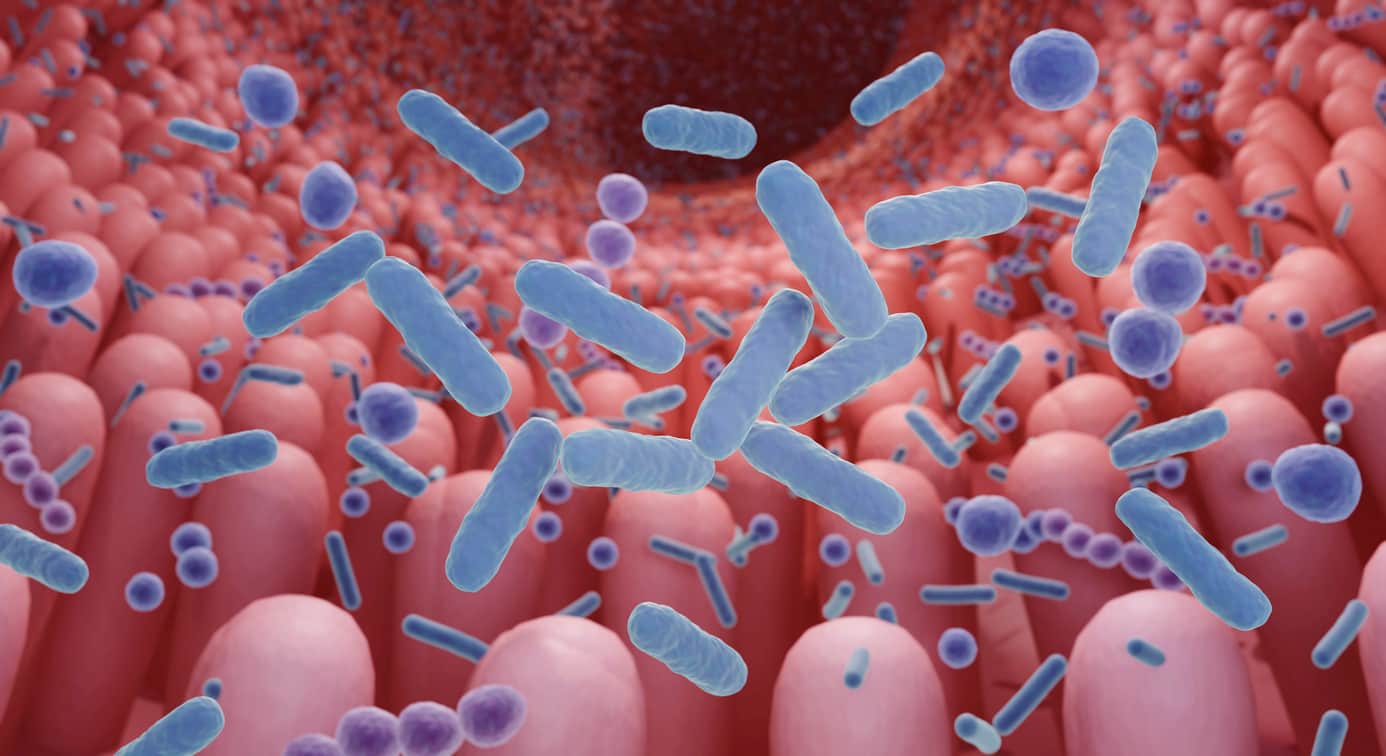
When the gut challenges MS
#MultipleSclerosis #Microbiota #Immunity #Probiotics Multiple sclerosis (MS) is an autoimmune neurological disorder characterized by chronic inflammation of the central nervous system (CNS) and the progressive destruction of the myelin sheath surrounding nerve fibers. This demyelination hinders the conduction of nerve impulses, leading to motor, sensory, cognitive, and visual impairments. While th
 Endocrinology and Metabolism
Hormones: should we really fear fat?
#Hormones #Nutrition #Endocrinology #SHBG Sex hormones, such as testosterone, estradiol, and SHBG (Sex Hormone-Binding Globulin), are steroid compounds derived from cholesterol, primarily produced by the gonads. While they are historically associated with reproduction, sexual development, and secondary sexual characteristics, their function goes far beyond these roles. These hormones are involved