Press reviews
Allergies to domestic animals—particularly cats, dogs, and horses—are a major cause of allergic rhinitis and asthma, especially in children. Exposure to allergens is frequent and widespread, even in the absence of direct contact with animals, due to passive transfer mechanisms.
Diagnostic strategies mainl...

2026-04-10
Vitamin D and the microbiome: toward immune reprogramming in ibd
Gastroenterology and Hepatology
Inflammatory bowel diseases (IBD), including Crohn’s disease and ulcerative colitis, affect millions of patients worldwide. These conditions are characterized by chronic inflammation of the gastrointestinal tract, partly driven by an inappropriate immune response directed against normally tolerated intestinal bacteria.

Parkinson’s disease is a chronic neurodegenerative disorder characterized by the progressive worsening of motor symptoms. As the disease advances, a large majority of patients treated with levodopa develop motor fluctuations, marked by unpredictable alternations between “ON” and “OFF” periods. These fluctuations lead to signif...

Parkinson’s disease is a neurodegenerative disorder characterized by the progressive loss of dopaminergic neurons and the accumulation of protein aggregates. Despite therapeutic advances, the underlying molecular mechanisms remain only partially understood.
The protein LRRK2 (leucine-rich repeat kinase 2) is now rec...

Parkinson’s disease is a major progressive neurodegenerative disorder affecting more than 8.5 million people worldwide. Its incidence continues to rise, making it an increasing public health concern. The disease is characterized by the progressive degeneration of dopaminergic neurons in the substantia nigra, along with the accu...

2026-04-03
Gut microbiota: metabolites at the heart of cardiovascular risk
Cardiology and Vascular Medicine Gastroenterology and Hepatology
Coronary heart disease remains the leading cause of mortality worldwide. Its development relies on a complex interplay of genetic, metabolic, and environmental factors. Among these, the role of the gut microbiota has attracted growing interest. Acting as a true metabolic organ, it produces a wide range of molecules capable of...

2026-04-03
Breast cancer: circulating tumor DNA, a key biomarker to anticipate relapse
Oncology Medical Biology
Breast cancer remains the most common cancer among women worldwide. Despite major therapeutic advances, particularly in early-stage disease, the risk of recurrence remains a central challenge in patient management. This risk varies according to tumor subtypes, especially in aggressive forms such as triple-negative or hormone r...

Parental vaccine hesitancy remains a major public health challenge in France, despite the extension of mandatory childhood vaccinations since 2018. Vaccination coverage remains insufficient and marked by persistent delays, maintaining a non-negligible risk of epidemic resurgence.
Traditional information-based strategi...

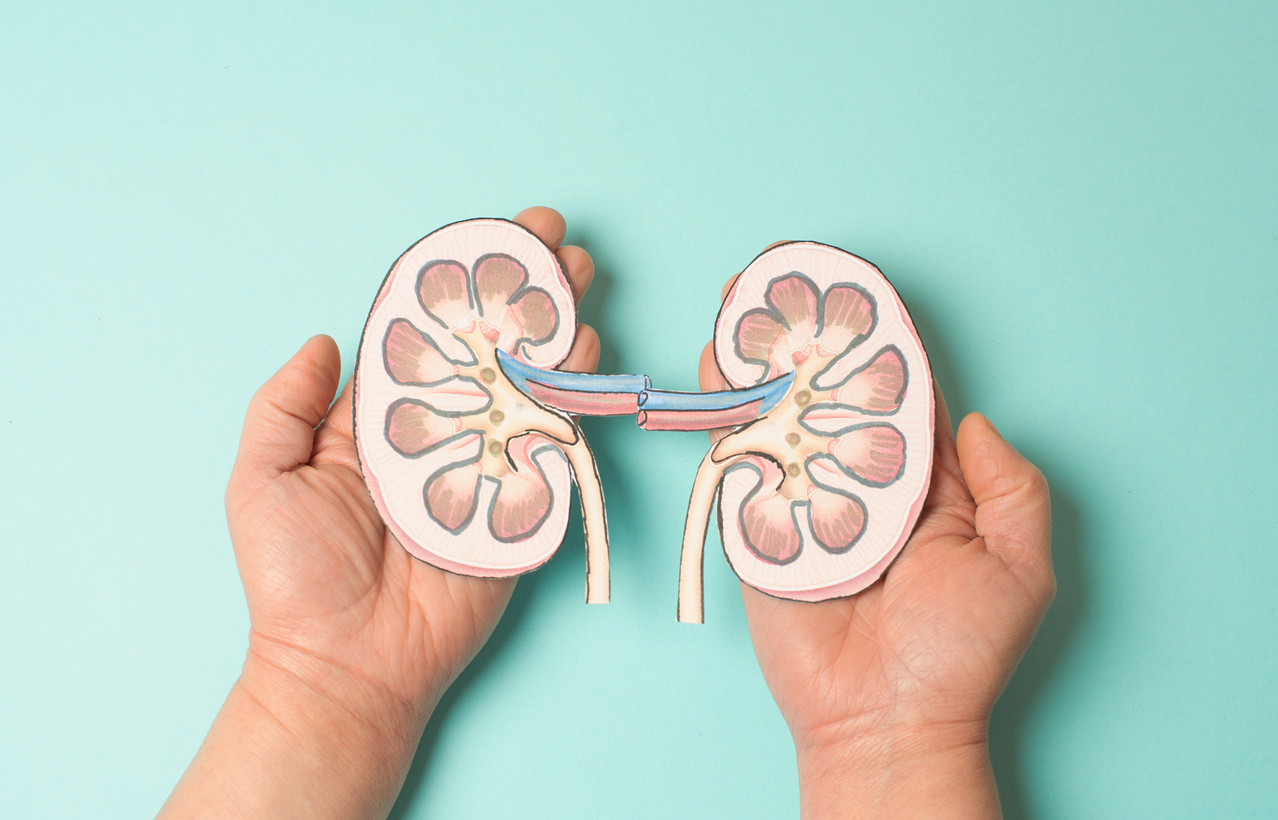
Kidney dysfunction, whether acute (AKI) or chronic (CKD), represents a major public health issue. It is characterized by the progressive accumulation of uremic solutes and persistent systemic inflammation—two closely linked mechanisms involved in disease progression and the development of complications, particularly cardiovasc...
Shiga toxin-producing Escherichia coli (STEC) infections are the leading cause of hemolytic uremic syndrome (HUS) in children. This severe complication combines hemolytic anemia, thrombocytopenia, and acute kidney failure, and can sometimes be life-threatening.
Despite structured surveillance, identifyin...

The relationship between diet and gastrointestinal (GI) cancer risk continues to be an area of active investigation, particularly regarding compounds capable of endogenous nitrosation.
A recent systematic review and meta analysis published in Toxics (2023) provides one of the most comprehensive evaluatio...

2026-03-31
When immunity suppresses appetite: decoding a gut–brain dialogue
Gastroenterology and Hepatology
Loss of appetite is a common symptom during intestinal infections, whether acute—such as gastroenteritis—or chronic, particularly in parasitic infections. Although well documented, the precise biological mechanisms behind this phenomenon have remained poorly understood. How does the immune system, in response to infection, al...

Colorectal cancer (CRC) is among the most common cancers worldwide. Despite therapeutic advances, a large proportion of patients develop cancer-related fatigue (CRF), a multidimensional symptom affecting physical, emotional, and cognitive functioning. This fatigue often persists after treatment and significantly impacts quali...

Acne vulgaris is a common inflammatory skin disease that significantly impacts quality of life and is associated with both physical and psychological complications. Its pathophysiology involves a combination of seborrhea, inflammation, abnormal keratinization, and bacterial proliferation.
Oral isotretinoi...

2026-03-27
Hepatoblastoma: a combined strategy to target resistant forms
Gastroenterology and Hepatology
Hepatoblastoma is the most common liver cancer in children. Although standard treatment combining chemotherapy and surgery now cures about 80% of patients, some forms remain particularly aggressive. These tumors are characterized by rapid proliferation and resistance to conventional therapies, leaving clinicians with limited...