2026-03-25
Monitoring sewers to track cancer: an emerging avenue
Oncology
By Elodie Vaz | Published on March 25, 2026 | 4 min read
Colorectal cancer remains a major public health issue. In the United States, more than 154,000 new cases are recorded each year, making it the third most common cancer and the second leading cause of cancer-related death. This heavy burden is largely due to late diagnosis, often when the disease is already advanced.
At the same time, a concerning rise in incidence among younger populations underscores the need to rethink early detection strategies.
In this context, a study published on March 17 in the Journal of Epidemiology & Community Health explores an innovative approach: wastewater surveillance as an early warning tool for colorectal cancer. Researchers are focusing on a promising suspect: CDH1 RNA, a biomarker associated with the disease. In practical terms, the idea is to determine whether biological signals found in human waste can reflect the health status of a population at the community level.
To test this hypothesis, researchers analyzed data from patients treated between 2021 and 2023 at a tertiary care center in Jefferson County (Kentucky, USA). They identified high-incidence areas (defined as more than four cases within an 800-meter radius) and compared them with a control area where no cases were recorded.
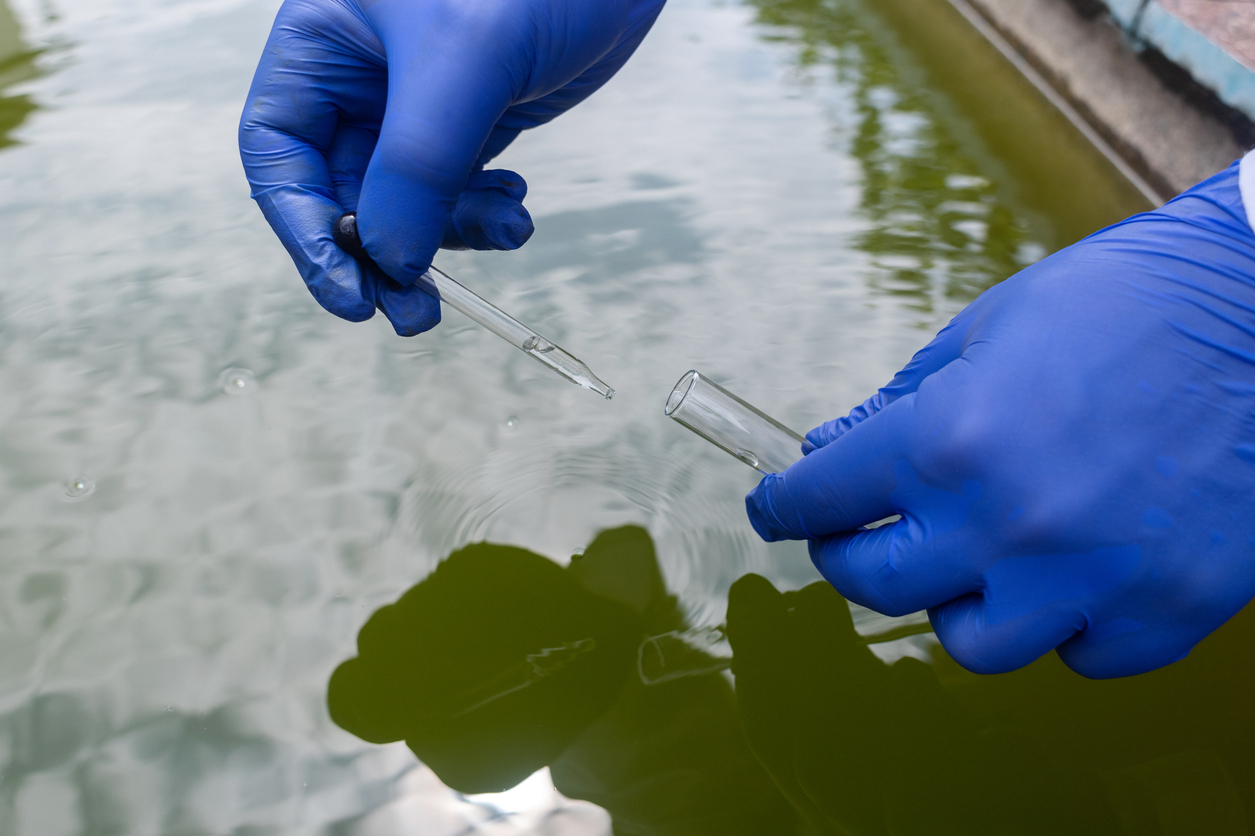
Wastewater samples (175 mL) were collected from four catchment areas at three different times of day. Analyses targeted two markers: CDH1, associated with cancer, and GAPDH, used as a control for general cellular activity. Ratios between these two biomarkers were then compared across the different areas.
Results show that all samples contained detectable levels of both markers. However, CDH1/GAPDH ratios varied across areas: 20 in the most affected group, compared with 2.2 and 4 in the other high-incidence zones, and 2.6 in the control area.
This variability appears consistent with the distribution of clinical cases. The group with the highest ratio also had a higher proportion of patients monitored for colorectal cancer. However, researchers note potential biases, including the possibility that residents from the control area may have been treated elsewhere.
The authors emphasize the exploratory nature of their work. Several uncertainties remain, particularly the precise relationship between CDH1 levels in wastewater and actual—diagnosed or undiagnosed—cases of colorectal cancer. The small sample size and limited geographic scope also call for caution.
Nevertheless, “the recent trend toward increasing colorectal cancer incidence in younger populations highlights the need to improve public health approaches. While existing screening methods such as colonoscopy and stool tests remain effective, their reliance on individual adherence is problematic, especially in communities facing structural and social barriers to healthcare,” the study authors state in a press release.
Despite its limitations, the study opens new perspectives. “Detecting elevated (colorectal cancer) markers in broader community areas, before high incidence is recorded by tertiary care centers or state cancer registries, could help target areas for practical and cost-effective community screening,” the researchers suggest.
“This approach could enable earlier diagnosis while identifying regions where the likelihood of case detection is lower, thereby alerting clinicians in a timely manner.”
Ultimately, wastewater monitoring could complement existing systems by providing a population-level view independent of individual screening behaviors. This approach has already proven effective for infectious diseases and may now extend to chronic conditions.
While large-scale validation is still needed, this strategy points toward a shift in screening paradigms—from reactive, individual-centered medicine to proactive, population-based surveillance. In a context of increasing pressure on healthcare systems, wastewater epidemiology could become a key tool for earlier and more effective detection of silent diseases.
About the Author – Elodie Vaz
Health journalist, CFPJ graduate (2023).
Élodie explores the marks diseases leave on bodies and, more broadly, on human life. A registered nurse since 2010, she spent twelve years at patients’ bedsides before exchanging her stethoscope for a notebook. She now investigates the links between environment and health, convinced that the vitality of life cannot be reduced to that of humans alone.
Colorectal cancer remains a major public health issue. In the United States, more than 154,000 new cases are recorded each year, making it the third most common cancer and the second leading cause of cancer-related death. This heavy burden is largely due to late diagnosis, often when the disease is already advanced.
At the same time, a concerning rise in incidence among younger populations underscores the need to rethink early detection strategies.
Detecting the invisible
In this context, a study published on March 17 in the Journal of Epidemiology & Community Health explores an innovative approach: wastewater surveillance as an early warning tool for colorectal cancer. Researchers are focusing on a promising suspect: CDH1 RNA, a biomarker associated with the disease. In practical terms, the idea is to determine whether biological signals found in human waste can reflect the health status of a population at the community level.
A territory-scale methodology
To test this hypothesis, researchers analyzed data from patients treated between 2021 and 2023 at a tertiary care center in Jefferson County (Kentucky, USA). They identified high-incidence areas (defined as more than four cases within an 800-meter radius) and compared them with a control area where no cases were recorded.
Wastewater samples (175 mL) were collected from four catchment areas at three different times of day. Analyses targeted two markers: CDH1, associated with cancer, and GAPDH, used as a control for general cellular activity. Ratios between these two biomarkers were then compared across the different areas.
Biological signals correlated with high-risk areas
Results show that all samples contained detectable levels of both markers. However, CDH1/GAPDH ratios varied across areas: 20 in the most affected group, compared with 2.2 and 4 in the other high-incidence zones, and 2.6 in the control area.
This variability appears consistent with the distribution of clinical cases. The group with the highest ratio also had a higher proportion of patients monitored for colorectal cancer. However, researchers note potential biases, including the possibility that residents from the control area may have been treated elsewhere.
Limitations but promising potential
The authors emphasize the exploratory nature of their work. Several uncertainties remain, particularly the precise relationship between CDH1 levels in wastewater and actual—diagnosed or undiagnosed—cases of colorectal cancer. The small sample size and limited geographic scope also call for caution.
Nevertheless, “the recent trend toward increasing colorectal cancer incidence in younger populations highlights the need to improve public health approaches. While existing screening methods such as colonoscopy and stool tests remain effective, their reliance on individual adherence is problematic, especially in communities facing structural and social barriers to healthcare,” the study authors state in a press release.
Toward sewer epidemiology?
Despite its limitations, the study opens new perspectives. “Detecting elevated (colorectal cancer) markers in broader community areas, before high incidence is recorded by tertiary care centers or state cancer registries, could help target areas for practical and cost-effective community screening,” the researchers suggest.
“This approach could enable earlier diagnosis while identifying regions where the likelihood of case detection is lower, thereby alerting clinicians in a timely manner.”
Ultimately, wastewater monitoring could complement existing systems by providing a population-level view independent of individual screening behaviors. This approach has already proven effective for infectious diseases and may now extend to chronic conditions.
While large-scale validation is still needed, this strategy points toward a shift in screening paradigms—from reactive, individual-centered medicine to proactive, population-based surveillance. In a context of increasing pressure on healthcare systems, wastewater epidemiology could become a key tool for earlier and more effective detection of silent diseases.
Read next: CAR-T cells in colorectal cancer: the challenge of solid tumors
About the Author – Elodie Vaz
Health journalist, CFPJ graduate (2023).
Élodie explores the marks diseases leave on bodies and, more broadly, on human life. A registered nurse since 2010, she spent twelve years at patients’ bedsides before exchanging her stethoscope for a notebook. She now investigates the links between environment and health, convinced that the vitality of life cannot be reduced to that of humans alone.
Last press reviews
Does Nicotinamide Really Prevent Skin Cancer?

By Ana Espino | Published on July 01, 2026 | 4 min read<br><br><br>
Exercising in Extreme Heat: How Can Performance Be Preserved While Reducing Health Risks?

By Ana Espino | Published on June 29, 2026 | 4 min read<br><br><br>
Oropouche Virus: A New Threat to Monitor During Pregnancy?

By Ana Espino | Published on June 26, 2026 | 4 min read<br><br>